Why Can't Icelandic Horses Return To Iceland?
Iceland's border is closed to horses in both directions: once an Icelandic horse is exported it can never come home. The 1882 import law, the disease-free herd, and what it means for riders and their gear.
Why Can't Icelandic Horses Return To Iceland?
An Icelandic horse that leaves the country can never come back, because Iceland's herd has lived in isolation for more than a thousand years and carries no protection against diseases that are routine elsewhere. The Icelandic Food and Veterinary Authority states plainly that Icelandic horses are not vaccinated and are therefore susceptible to infectious agents from abroad. The border stays shut to protect them.
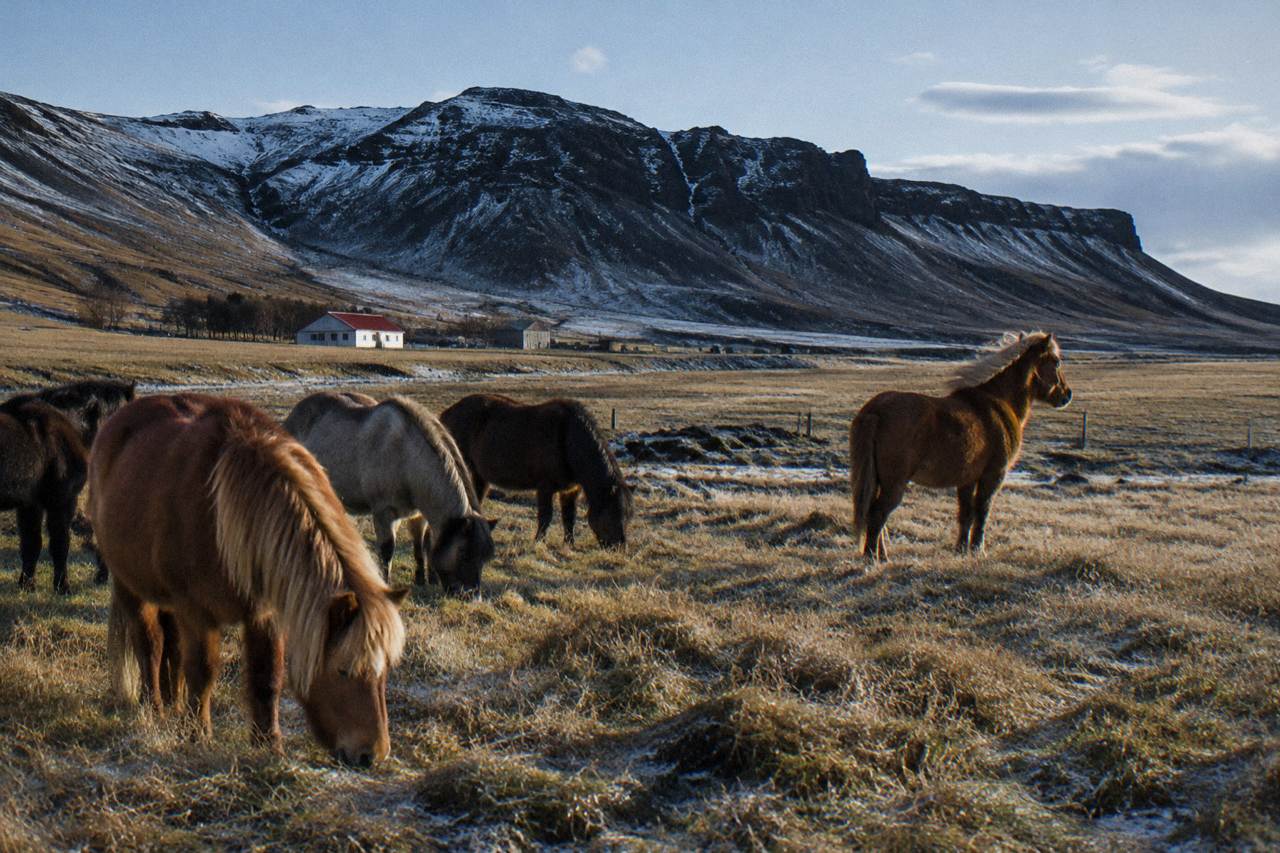
The horses descend from animals brought during the settlement period, between 874 and 930, and the breed registry body FEIF describes the population as having been isolated on the island for more than 1,000 years without any genetic input from other breeds. That isolation worked both ways. It shaped a distinctive horse, small at 130 to 150 cm at the withers with an average near 142 cm in breeding evaluation, and it left the population with a disease history unlike almost any other horse country.
The rule itself comes from the Farmers Association of Iceland's breed body, Horses of Iceland: no horse or other equine can enter the country at all, and once a horse leaves Iceland it can never return. This is not a quarantine you can wait out. There is no test, no permit and no waiting period that reopens the door. A champion breeding stallion flown to a show in Denmark is, from the moment the ramp closes, an ex-Icelander in the eyes of the law.
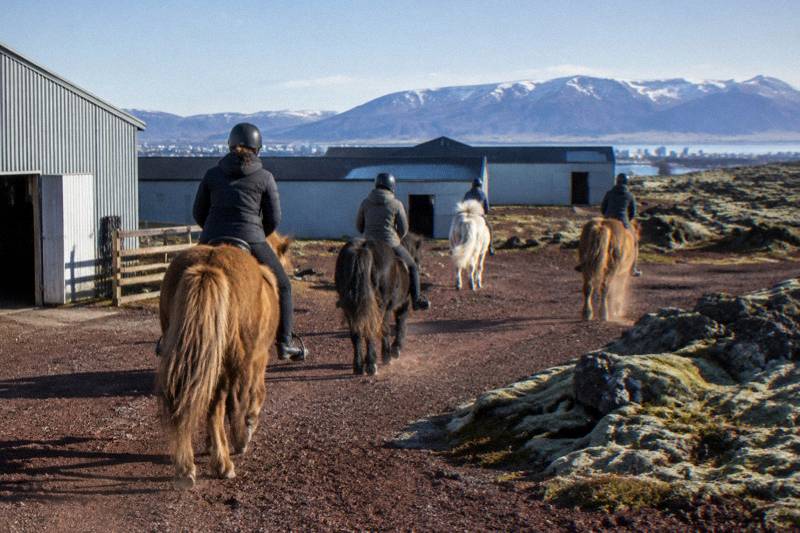
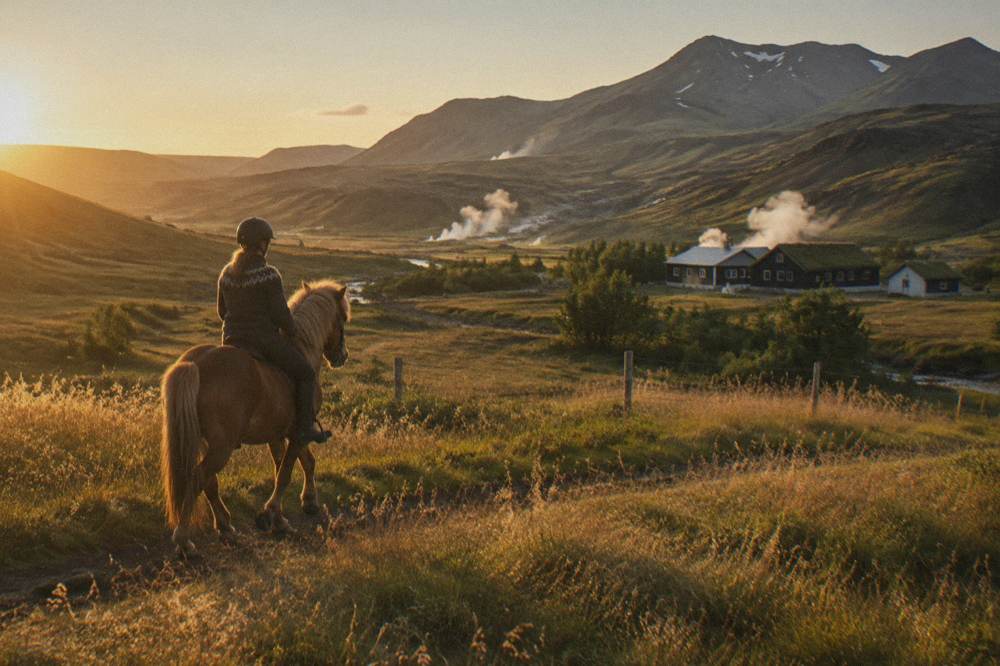
For travellers the practical upside is that every horse you meet on an Icelandic ride was born on the island. Book the Íshestar lava field ride outside Reykjavík or the Laxnes farm ride in Mosfellsbær, and the animal under you belongs to a closed population that has never mixed with outside blood. That is a strange thing to sit on, when you think about it. The horse carrying you across a lava field is part of a herd that has been sealed off since the medieval period.
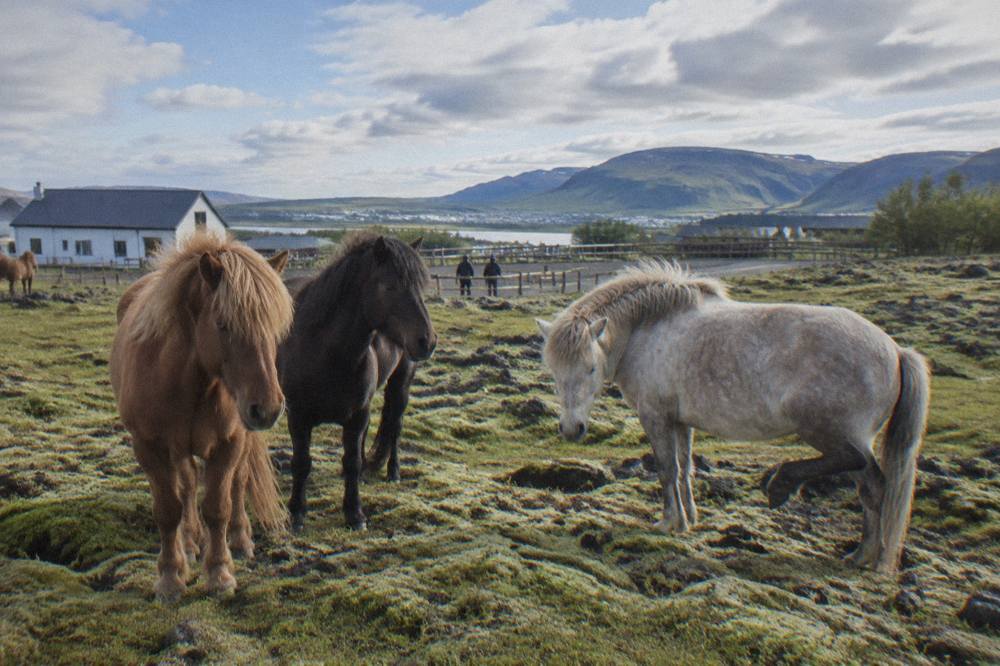
The scale of the population makes the policy feel less abstract. Over 300,000 Icelandic horses are registered around the world, and roughly 40% of them live in Iceland, a share the breed association attributes to a national herd counted against the global registry. The rest are descendants of exported horses, living proof that the one-way rule has been operating for generations. It is worth pausing on that number. More Icelandic horses now live outside Iceland than inside it, and every single one of them, plus every horse descended from them, exists on the far side of a door that only opens outward.
What Law Closes Iceland's Border To Horses?
Icelanders passed a law in 1882 prohibiting the importation of horses into Iceland, and the prohibition still stands today under the Icelandic Food and Veterinary Authority. The law blocks entry, not exit. Horses may be exported under law 27/2011 once they are between 4 months and 15 years old, but the trip only ever runs one way.
The 1882 date comes from the Farmers Association of Iceland, which notes that very few horses, if any, were imported after the 13th century even before the statute formalised the ban. So the law did not create the isolation. It wrote down a practice that geography and habit had already enforced for centuries, and gave it teeth.
Today the authority that administers the rule is MAST, the Icelandic Food and Veterinary Authority. Its import and travel pages frame the whole regime as biosecurity: used riding equipment and used riding gloves are strictly prohibited, riding clothes and boots must be cleaned and disinfected prior to entry, and travellers are asked to bring clean clothes and shoes because dirt can carry animal diseases. The horse ban is the largest piece of a system that treats everything that touches a horse as a potential threat.
| Border movement or item | Status | Source of the rule |
|---|---|---|
| Import of any horse or other equine | Prohibited outright | 1882 law, per the Farmers Association of Iceland |
| Export of an Icelandic horse | Allowed, one way | Law 27/2011, administered by MAST |
| Return of a previously exported horse | Not possible | No return pathway exists for any equine |
| Used saddles, bridles, whips, pads, rugs | Strictly prohibited from import | MAST |
| Used riding gloves | Strictly prohibited from import | MAST |
| Used riding clothes, helmets and boots | Allowed only if cleaned and disinfected | MAST |
The interesting part of the table is what it does not contain. There is no row for a conditional import, no exception for geldings, for champion bloodlines or for a horse that simply stayed abroad for two weeks. The Farmers Association of Iceland frames the request to travellers as kind but very serious, and the wording is deliberate. Sentiment does not open this border.
A reader might reasonably ask why an island nation needs a statute at all, given that the sea does most of the enforcement. The answer is that modern trade erased the sea's protection. Ships and planes move livestock quickly now, and a single consignment could undo a thousand years of isolation in a week. The 1882 law, updated and administered by a modern veterinary authority, is the legal version of the distance the North Atlantic used to guarantee on its own.
Which Diseases Has Iceland Never Had?
The Farmers Association of Iceland names strangles, equine influenza and equine herpes virus type 1 as diseases that have never reached the country. Because the herd is unvaccinated and has never met these infections, a single imported horse could carry an illness the population has no defence against, which is why the ban is absolute.
Those three diseases are ordinary facts of life in most horse-owning countries. Strangles spreads through stables like a bad cold; equine influenza shuts down race meetings; herpes virus type 1 can cause outbreaks of neurological disease and abortion in mares. In Iceland, none of them circulates. The association's list is short but the logic behind it is long: an island population with no exposure and no vaccination programme is a standing invitation to any pathogen that arrives.
That is the whole policy in one sentence. The horses are healthy because nothing has ever been given the chance to change that, and the cost of keeping the record clean is that no horse, ever, comes home. It is the same reasoning that makes MAST so strict about gloves and bridles in a suitcase, and the same reasoning behind the disinfection routine that stables ask visitors to follow, a routine the Eldhestar FAQ echoes when it tells guests that used boots, riding wear and helmets must be disinfected before arrival and that chaps, bridles and other used leather gear must not be brought at all.
Riders sometimes ask whether this makes Icelandic horses fragile. The record suggests the opposite. A closed population with no vaccine schedule and no endemic respiratory disease is a rare thing in the modern equine world, and the breed body attributes that status directly to the import ban. The horses you meet on the Eldhestar Siggi ride near Hveragerði, or on any ride in the country, are living inside that clean record.
How Does Export Work When A Horse Leaves For Good?
Every year hundreds of Icelandic horses are exported, mostly to countries within the EU, under law 27/2011. Exported horses must be between 4 months and 15 years old. The trade is legal and routine, but it is final: the same authority that licenses the shipment cannot issue a return permit, because no pathway exists for any horse to re-enter the country.
Export is a real industry, not a loophole. The MAST export page describes hundreds of horses leaving each year, the majority bound for EU countries, where the breed has an established showing and breeding scene. Buyers abroad want the tolt, the colour range, the temperament. Icelandic horses hold their value overseas, and the export trade has been building the global population for decades, which is how the registry outside Iceland grew larger than the one inside it.
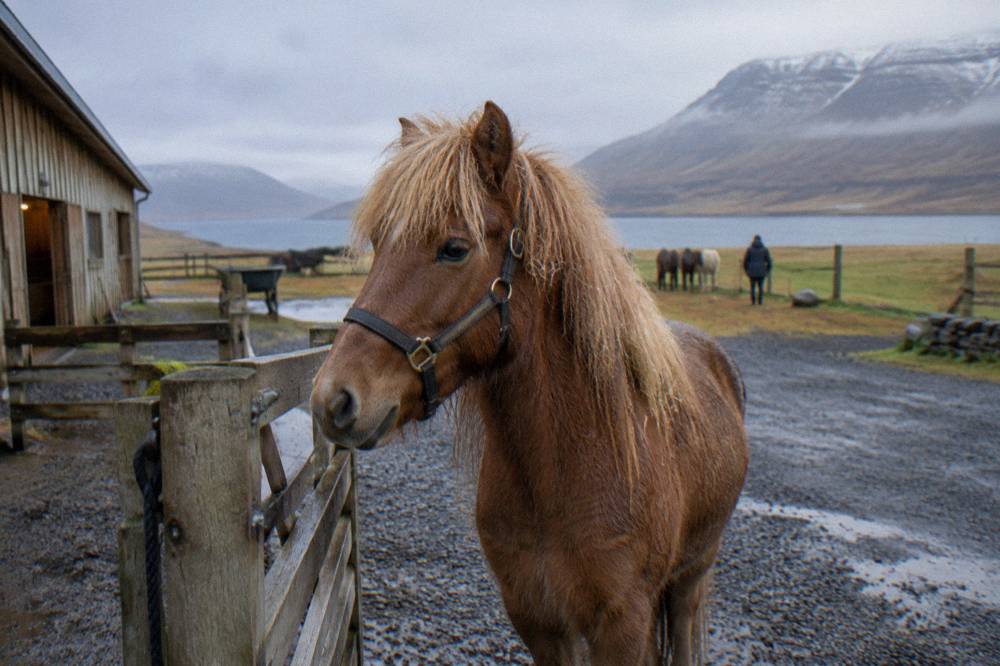
The age window tells its own story. Horses between 4 months and 15 years old are the ones fit to travel and young enough to build a career abroad. An older horse stays put. A breeder planning an export has to make that calculation early, because the decision cannot be revisited. Once the horse is on the boat or the plane, its Icelandic registration becomes a historical fact rather than a live one.
| Export rule | What it says |
|---|---|
| Governing law | Law 27/2011 |
| Eligible ages | 4 months to 15 years old |
| Annual volume | Hundreds of horses, mostly to countries within the EU |
| Return option | None, for any horse, at any age, after any length of absence |
| Practical consequence | Export decisions are permanent and are made early in a horse's life |
Owners describe the export decision as the hardest part of breeding. A promising young horse sold to Germany may win titles there, may appear in photos its breeder follows for a decade, and may never again stand on Icelandic soil. The alternative, keeping every good horse home, would starve the international breed of new blood. The one-way rule forces a choice between the global breed and the national herd every single time a sale crosses the water.
What Happens To The Horses After They Leave?
Exported Icelandic horses build new lives abroad as riding horses, show animals and breeding stock, mostly inside the EU, and their descendants now outnumber the herd still in Iceland. The WorldFengur database counts more than 280,000 registered Icelandic horses worldwide, against roughly 40% of the 2024 total living in Iceland. None of them, at any point, can be brought back.
The breed thrives overseas. European associations hold shows, breeding evaluations and pace races, and the export trade feeds them with young stock raised on Icelandic farms. A horse sold at three years old might spend the next two decades in Germany or Sweden, producing foals that will never see the lava fields their grandsire roamed. The gene pool keeps circulating outward, which is precisely why the registry outside the country grew so large.
For the farms at home, export income is part of the economics of breeding. A stable running riding tours, like the ones across the roster from Reykjavík to Akureyri, is usually also a working breeding farm, and the young horses not kept for the tour string or the breeding programme are the ones that ship out. The horse a visitor rides on the Sturlureykir Viking Ride and the horse that boards a ferry in Þorlákshöfn often come from the same valley, separated only by a sale and a border that only opens one way.
There is a melancholy edge to this that Icelanders acknowledge freely. Breeders follow the careers of exported horses the way families follow relatives who emigrated, and the comparison is not accidental. In a country where the horse has been part of farm life for eleven centuries, sending one away for good carries a weight that a purely commercial transaction would not. The one-way rule turns every export into a small permanent goodbye.
What Does The Border Mean For Your Riding Gear?
Used saddles, bridles, nosebands, pads, rugs, whips and used riding gloves are strictly prohibited from import. Used riding clothes, helmets and boots must be washed in a machine or dry cleaned before entry, and anything that cannot be washed must be rinsed with detergent, dried, sprayed with 2% VirkonS and stored for at least 5 days.
The horse ban reaches into your luggage because the same diseases travel on tack and textiles. The MAST riding equipment page sets the rules, and they apply to every visitor, rider or not. Leather is the problem case. Used leather gear cannot be disinfected reliably, so it is banned rather than cleaned. Fabric and rubber can be cleaned, so it is allowed only after cleaning.
| Item you might pack | Rule at the border |
|---|---|
| Used saddle, bridle, noseband, pad, rug or whip | Strictly prohibited, no cleaning option |
| Used riding gloves | Strictly prohibited |
| Used riding clothes and boots | Machine wash or dry clean before entry |
| Helmet that cannot be washed | Rinse with detergent, dry, spray with 2% VirkonS, store 5 days |
| New, unused equipment | Not affected by the used-gear rules |
The simple answer for a riding holiday is to bring almost nothing. Operators supply helmets, rain gear, warm overalls and rubber boots, and the stables ask guests to use theirs. Riders booking the Sólhestar Red Lava ride or the Vik black sand ride will be fitted with a helmet at check-in, and the same is true across the roster. Your own clean clothes and everyday shoes are fine; your own tack is not.
There is a cultural note worth making. Icelanders take the gear rules as seriously as the horse ban, because to them it is the same rule (see Icelandic Horse Culture). A stable that waves through a guest's used gloves is opening the same door as a shipper who waves through a horse. Visitors who arrive with borrowed clean boots and accept the loaner helmet are doing the small thing that keeps a thousand-year record intact.
Where Can You Meet Horses That Never Left?
Every riding tour in Iceland puts you on a horse born and raised on the island, from the Sturlureykir Viking Ride near Reykholt at from $129 per person to the Viking Horses volcano tour at from $182. The horses you meet abroad, in Europe or North America, are exports, and their relatives here will never follow them out.
That asymmetry is the quiet selling point of riding in Iceland. You are not meeting the breed, you are meeting the source population, the closed herd the whole world registry descends from. The Sturlureykir Viking Ride, run by Sturlureykir Horse Farm in the Reykholt area, puts you on exactly such a horse for 1.5 to 2.5 hours, from $129 per person, with a rider weight limit of 100 kg. The tour's review pool is on the listing. Its horses live and die within a few kilometres of where you mount up.
Closer to the capital region, the Eldhestar Siggi ride covers about 2 hours from Hveragerði, from $135 per person, rated 4.5 across 47 reviews, with a 110 kg weight limit and pickup offered. The Viking Horses volcano tour runs about 3 hours with pickup from Reykjavik, from $182 per person, rated 4.7 across 259 reviews. Different stables, different lava fields, one shared fact: every animal in every string was born inside the border.
| Ride | Operator | Length | Price | Rating | Weight limit |
|---|---|---|---|---|---|
| Sturlureykir Viking Ride | Sturlureykir Horse Farm | 1.5 to 2.5 hours | from $129 per person | Review pool on the listing | 100 kg |
| Eldhestar Siggi Ride | Eldhestar Volcano Horses | About 2 hours | from $135 per person | 4.5 across 47 reviews | 110 kg |
| Viking Horses Volcano Ride | Viking Horses | About 3 hours | from $182 per person | 4.7 across 259 reviews | 110 kg |
If the one-way border has made you curious about the animal itself, the breed's extra gaits are the natural next stop, and the tolt gait explained for riders covers the four-beat gait these horses are famous for. Newcomers to the saddle can start with the beginner guide to horseback riding in Iceland, and the broader story of the breed sits in what is so special about Icelandic horses. The comparison on Iceland Horse Tours lays the full roster side by side, including the Sturlureykir Viking Ride details, where Check availability shows the live listing.
The export story gives those rides a small weight they would not otherwise carry. Somewhere in Germany or Sweden, a horse from the same valley is carrying a rider over different ground, and it got there by never being able to come back. The horse you sit on in Reykholt or Hveragerði is the one that stayed.
Common Questions About Icelandic Horses Returning To Iceland
why can't horses return to iceland?
Because Iceland's herd is unvaccinated and has never been exposed to diseases like strangles, equine influenza and equine herpes virus type 1, so any returning horse is treated as a disease risk. The import ban dates to an 1882 law and is administered today by the Icelandic Food and Veterinary Authority. No return pathway exists for any horse, under any circumstances.
why are icelandic horses not allowed to return?
The same biosecurity logic that bans imports applies to a horse that has simply been abroad. Once an Icelandic horse leaves, it may be exposed to infections that do not exist in Iceland, and there is no way to guarantee it is not carrying one home. The Farmers Association of Iceland states the rule flatly: once a horse leaves Iceland it can never return.
Why can't horses go back to Iceland?
Iceland protects a closed, disease-free population that has been isolated for more than 1,000 years. Horses may leave under law 27/2011, between 4 months and 15 years old, mostly to EU countries, but the movement is one way by design. The authorities treat a returning horse exactly like a new import, and all imports are prohibited.
Can I bring my own riding helmet and boots to Iceland?
Used riding gloves and used leather gear, including saddles, bridles and whips, are strictly prohibited. Used clothes and boots must be machine washed or dry cleaned before entry. A helmet that cannot be washed must be rinsed with detergent, dried, sprayed with 2% VirkonS and stored for at least 5 days before contact with horses. Most riders skip all of this and use the helmet and boots the stable supplies.
Do Icelandic horses ever leave Iceland?
Yes, in large numbers. Hundreds are exported each year, mostly to countries within the EU, under law 27/2011, and the registered population outside Iceland now outnumbers the one inside it. The trips are permanent, which is why the global breed keeps growing while the national herd stays closed.
Why cant icelandic horses return to iceland?
Iceland's horses are not vaccinated and are susceptible to infectious agents from abroad, according to the Icelandic Food and Veterinary Authority. A horse that has left the country cannot prove it stayed clean, so the border stays shut to it forever. The rule has held since 1882 and protects a herd that has never known strangles, equine influenza or equine herpes virus type 1.