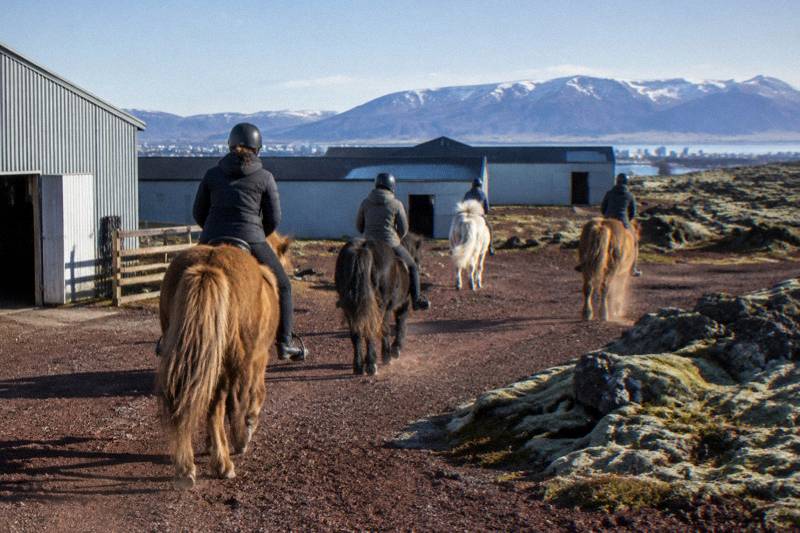
Can You Ride Icelandic Horses?
Yes, you can ride Icelandic horses. Here is who qualifies: rider weight limits, minimum ages, beginner options, biosecurity rules and what a ride costs across Iceland's stables.
Can You Ride Icelandic Horses?
Yes. Riding Icelandic horses is a regular paid activity open to the public, run daily by stables across the country, and most listings welcome complete beginners. The real gatekeepers are operator rules on rider weight, from 100 to 120 kg depending on the stable, and minimum age, which runs from 6 to 12 depending on the tour. No licence or prior experience is needed for the standard beginner rides.
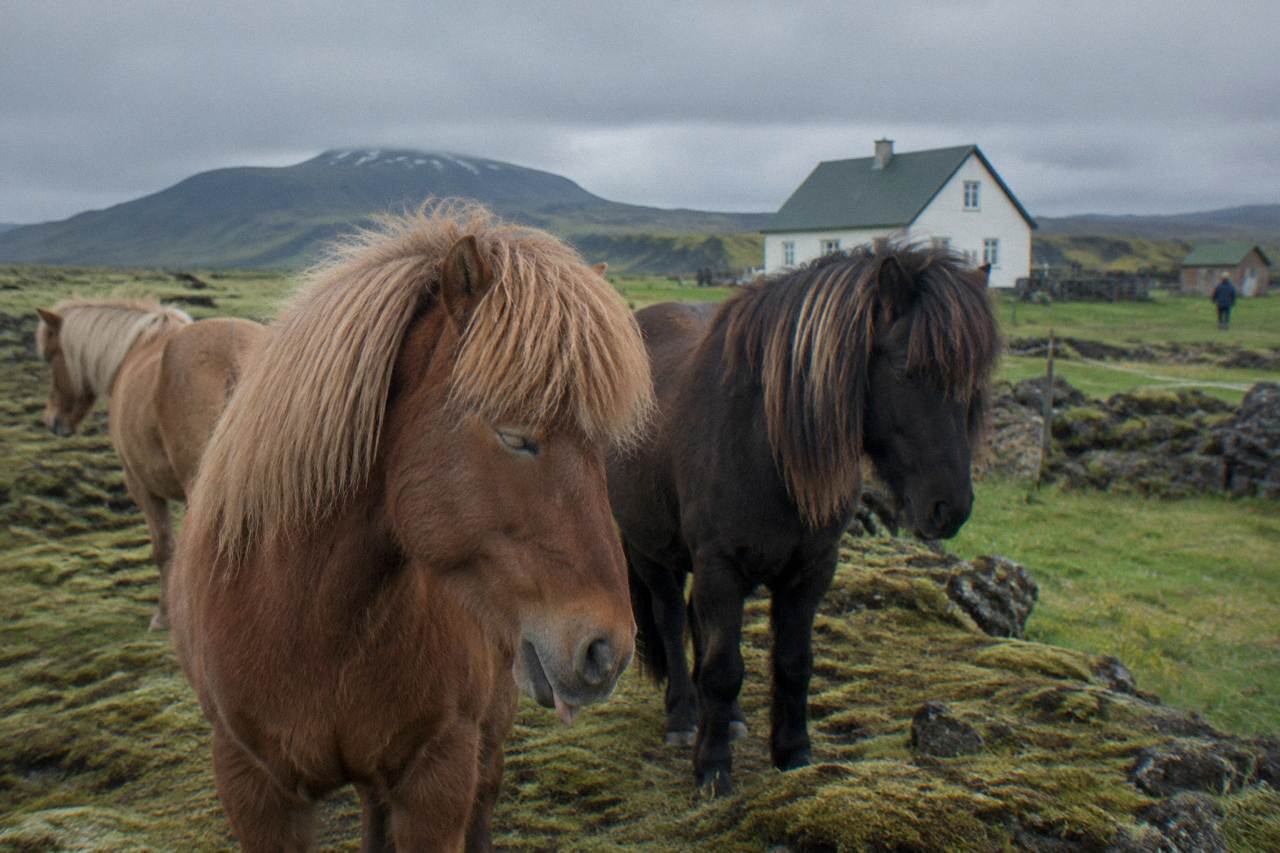
The question sounds strange until you have stood next to one. An Icelandic horse stands roughly 130 to 150 cm at the withers, with an average of about 142 cm in breeding evaluation, so many visitors assume it is a pony and somehow off limits. The breed registries insist otherwise: they always refer to Icelandics as horses, and the animal has been Iceland's riding, herding and transport horse for over a thousand years. It is not a semi-wild herd you admire from a bus window. It is the horse the country actually rides.
That is the whole business model of the stables in the roster on this site. Farms from the Reykjavik lava fields to Akureyri in the north sell seats on their horses to the public, year round, at every experience level. The most reviewed listing of the thirty we compared is the Sólhestar Red Lava Ride out of Reykjavik, rated 4.8 across 2,789 reviews, followed by the Íshestar lava field ride at 4.8 across 1,989 reviews and the Laxnes farm ride at 4.8 across 901 reviews. Those review pools are made overwhelmingly of first-time riders on holiday, not club equestrians.
The Iceland Horse Tours roster exists because the answer to this question has real money attached: a seat on a beginner-safe Icelandic horse runs from $86 per person for a short photo ride to just over $300 for a full-day combo, and the differences between listings are duration, scenery and pickup, not difficulty. A rider who has never sat on a horse can book the same lava field ride as someone who owns one at home. The stables pace the groups, put a guide in front and a sweep behind, and match horses to riders at the yard.
Three rides span that whole beginner range and are worth holding in mind as the reference points for everything below: the Íshestar lava field ride near Hafnarfjordur, the Laxnes farm ride in Mosfellsbaer, and the Vik black sand ride on the south coast. If those three all accept you, and they accept almost everyone, the rest of the country's listings will too.
Who Can Ride An Icelandic Horse?
Almost everyone, within operator-set limits. The stables in this site's roster accept riders from age 6 on the shortest family tours up to age 14 on the longest rides, and rider weight caps run from 100 to 120 kg depending on the operator. No listing states a rider height limit; the constraint is weight, because it protects the horse.
Start with height, because it is the question nobody asks but everyone wonders about. There is no rider height limit on any listing in the roster, tall or short. The horse's height matters in the other direction: a 142 cm animal with a deep barrel takes an adult leg easily, and children ride the same breed as everyone else. The Icelandic horse's proportions are those of a full horse scaled down, not a pony build, which is why a rider six feet tall does not look absurd on one.
Weight is where the rules bite. The caps are welfare rules, not discrimination: a horse carrying a rider plus saddle plus rain gear has a working load, and the stables set the number where their horses stay comfortable. The figures below come from the operators' own policy pages and the roster listings.
| Operator | Rider weight limit |
|---|---|
| Laxnes Horse Farm | 120 kg |
| Íshestar Riding Tours | 110 kg |
| Sólhestar Horse Riding | 110 kg |
| Viking Horses | 110 kg |
| Eldhestar Volcano Horses | 110 kg |
| Saddle Stories (South Iceland beach ride) | 110 kg |
| Saddle Stories (Reynisfjara and Írafoss rides) | 100 kg |
| Vik Horse Adventure | 100 kg fully clothed |
| Hestasport Activity Tours (Varmahlíð) | 100 kg |
| Sturlureykir Horse Farm (Reykholt) | 100 kg |
Two details in that table deserve a second look. Vik Horse Adventure sets its limit at 100 kg fully clothed and reserves the right to weigh riders on site, so a rider near the cap should expect a scale, not an argument. Laxnes sits at the top of the range at 120 kg, which is why its farm ride is the go-to answer for heavier riders in the Reykjavik area; the operator also supplies boots, helmets and rain gear or snowsuits so winter clothing does not push anyone over the line.
Age is the second gate, and it scales with ride length rather than rider size. The pattern across the policy pages is consistent: the shorter the tour, the younger the rider it takes.
| Operator and tour | Minimum age |
|---|---|
| Sólhestar 1-hour tours | 6 |
| Vik Horse Adventure 30-minute family beach ride | 6 |
| Íshestar lava field ride | 7 |
| Laxnes farm tours | 7, exceptions for children with riding experience |
| Eldhestar half-day tours | 7 |
| Vik Horse Adventure 1-hour black beach ride | 10 |
| Viking Horses | 10 for beginners, 8 for experienced young riders |
| Íshestar Viking tour | 12 |
| Sólhestar tours of 3 hours and longer | 14 |
Read that as a ladder. A six-year-old gets the half-hour family ride on the beach at Vik. A seven-year-old can join the one-hour and lava field rides around the capital. By ten or twelve, the whole beginner catalogue opens up, and at fourteen there is no tour in the roster that excludes a rider on age alone. For the specifics of travelling with children, the age limits and family riding guide breaks the same ladder down by operator.
The Laxnes farm ride is the clearest single example of how wide the door is. It runs about 3 hours 30 minutes from a working farm roughly a 20-minute drive from the city, takes all levels from first-timers up, carries a 120 kg limit, and offers pickup from central Reykjavik or nearby hotels because the farm's timetable does not cover every town. You can read the full listing on the Laxnes farm ride with pickup page, or Check availability if the date matters.
Do You Need Riding Experience To Ride An Icelandic Horse?
No. Most Icelandic horse tours are built for first-time riders, and several listings say so outright: the Íshestar lava field ride takes beginners and intermediates, Eldhestar calls its half-day tours suited to all experience levels, and Laxnes says its tours suit all levels. Longer wilderness rides are the exception and ask for experienced riders only.
The economics explain it. A stable near Reykjavik selling seats to tourists gets mostly people who have never ridden, so the product is engineered around them: quiet horses, walking pace with a chance to try the tölt, a guide leading and another bringing up the rear. The Viking Horses volcano tour states it is beginner friendly with a maximum of eight people per group. The Eldhestar Siggi ride and the Countryside Charm ride both sit in the operator's all-experience-levels tier. Nobody is asked to canter.
The tölt is the reason total novices ride further here than they might elsewhere. It is the breed's signature gait, a four-beat lateral gait with no suspension phase, which means the horse always has a foot on the ground and the rider's back stays level instead of bouncing. The breed association describes it as the gait the Icelandic horse is best known for, and most horses also carry flying pace, a fast two-beat gait reserved for experienced riders on short stretches. Beginners are not asked for either. They walk, and if the guide thinks the horse and rider are ready, they try a short tölt, which most riders describe as sitting in an armchair that glides. The full mechanics are in the tölt gait explained.
For a first ride, duration matters more than terrain. The listings below are the ones the roster marks as beginner-suitable at the short end, and they are the safest first bookings in the country.
| Ride | Duration | Price | Rating |
|---|---|---|---|
| Íshestar Comfort Ride | ~50 minutes | from $128 per person | 4.9 across 106 reviews |
| Eldhestar Countryside Charm Ride | ~1 hour | from $95 per person | 4.8 across 50 reviews |
| Vik Horse Adventure black sand ride | ~1 hour | from $126 per person | 4.8 across 571 reviews |
| Sólhestar Red Lava Ride | ~2.5 hours | from $140 per person | 4.8 across 2,789 reviews |
| Laxnes Farm Ride with pickup | ~3 hours 30 minutes | from $166 per person | 4.8 across 901 reviews |
Not every listing is aimed at novices, and the honest answer includes the exceptions. The Íshestar Viking tour asks for strong intermediate riders. The Saddle Stories beach rides take small groups on open sand where wind and space change the horse's mood. And one listing in the roster, the Viking Horses Mjölnir afternoon ride, is a useful illustration of reading a listing properly rather than a headline: it runs about 3 hours with pickup, from $179 per person, and carries a more modest 4.2 across 33 reviews, a small pool that says more about sample size than about horses. The operator's own terms set 10 years as the beginner age and 8 for experienced young riders, so it is a family-friendly afternoon slot, just one with a shorter review history than its sibling volcano tour.
The rule of thumb that survives all thirty listings: if the word wilderness appears, or the ride is billed as a trek rather than a tour, read the level line before booking. Everything else in the standard catalogue is a walking-paced ride with a tölt attempt, and the stables say so plainly.
Where Can You Ride Icelandic Horses In Iceland?
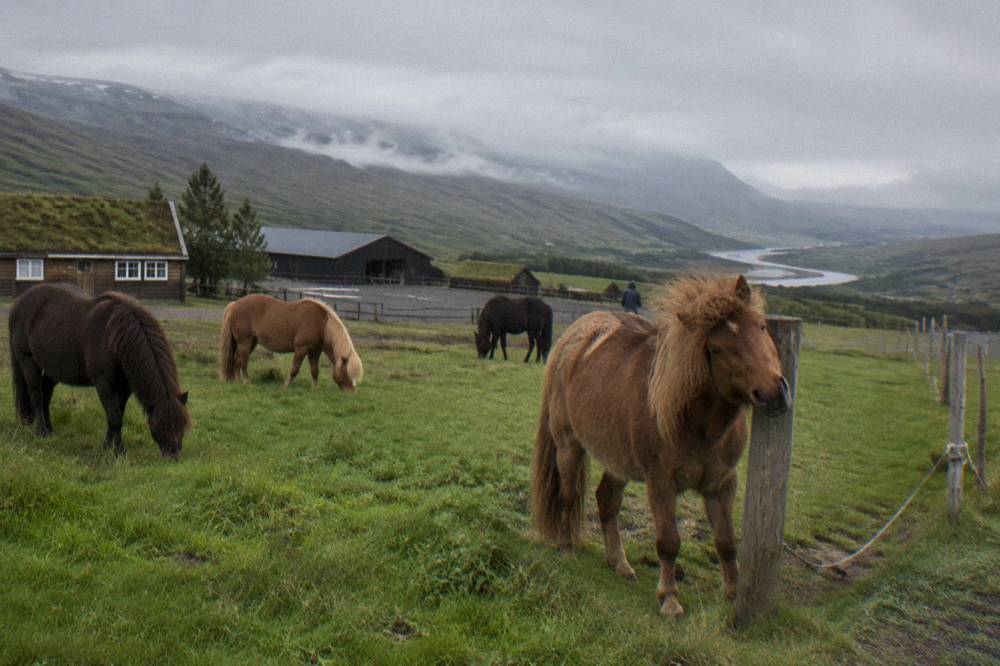
Anywhere in the country. Rides cluster in four areas: the Reykjavik area and Hafnarfjordur lava fields, the hot spring countryside around Hveragerdi, the black sand coast near Vik, and the north around Varmahlid and Akureyri. Every region runs year-round listings, and nearly half of the roster's thirty tours sit within an hour's drive of the capital.
The Reykjavik area is the deepest market. Sólhestar and Íshestar ride the red lava fields behind Hafnarfjordur, Viking Horses runs small-group volcano and afternoon tours from the city with free center pickup, and Laxnes operates from its farm in Mosfellsbaer, about 18 minutes out. Eldhestar's farm at Hveragerdi is roughly 43 minutes down the south road, close enough that its rides and the Reykjadalur hot spring valley pair naturally into one day; the Sólhestar hot spring valley ride covers the same idea from the saddle.
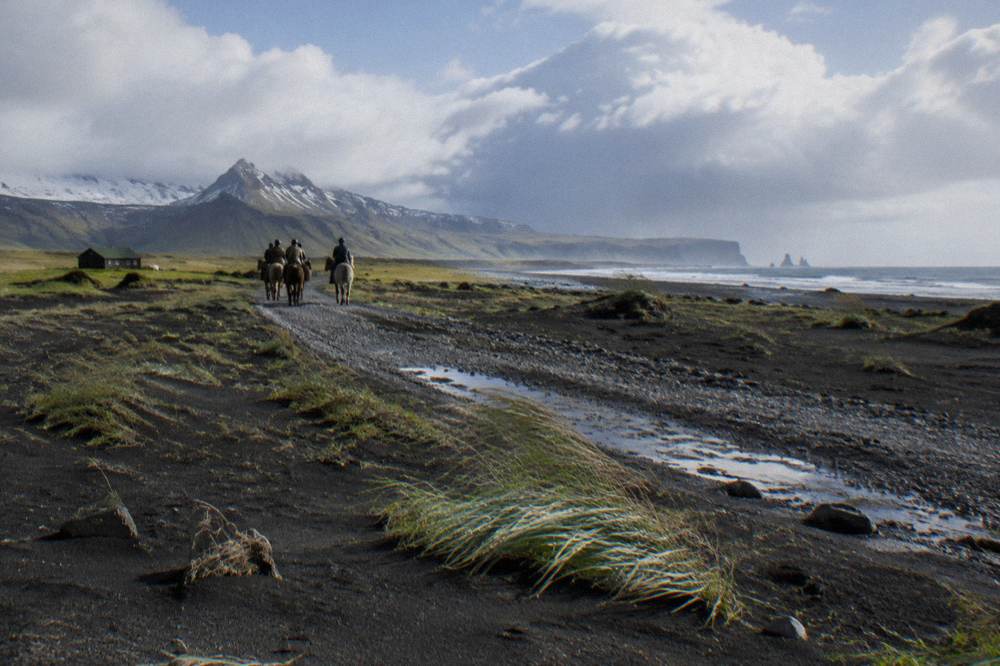
The south coast is the scenery play. The Vik Horse Adventure black sand ride, rated 4.8 across 571 reviews, walks Víkurfjara beach in about an hour, and Foss Travel runs a 2-hour black beach ride from $185 per person at 4.8 across 108 reviews. Saddle Stories sells the specialist end: a 3-hour Reynisfjara beach ride, a South Iceland beach ride and an Írafoss waterfall ride, all small-group and priced from $246 to $303 per person. Note that Reynisfjara itself is a sneaker-wave beach with a warning light system and no lifeguard, so the riding routes there are guided and bounded, and independent visitors should respect the posted danger zones.
The north is the quiet alternative. Hestasport runs a Viking ride from Varmahlíð in Skagafjörður, 4.9 across 223 reviews and from $118 per person, on what many in Iceland consider the breed's home turf. Around Akureyri, the Deacon ride from Stable Stop covers about 2 hours 15 minutes with coffee and light refreshments included, rated 4.9 across 51 reviews, and AK Hestaferdir runs scenic rides from the Gásir farm with photo stops. The full regional picture, including drive times from the capital, is in how to choose a riding tour in Iceland.
That last point is worth underlining for trip planning. There is no closed season for riding in Iceland. Midwinter rides run around four to five hours of usable daylight, so departure times compress into the middle of the day, while June gives Reykjavik roughly 21 hours of light and the north nearly 23.5, which is why evening rides exist in summer and not in December (see Midnight Sun Riding).
What Should You Know Before Your First Ride?
Three things matter before you arrive. Wear clean clothes and boots, because Iceland's biosecurity rules are strict: used riding gloves and used leather gear are prohibited outright, and used riding clothes must be washed or disinfected before contact with horses. The stable provides helmets and rain gear, so you need neither. Bring nothing used that has touched a horse abroad.
Iceland's horses live behind one of the strictest disease barriers in the world, and the rules reach into your suitcase. The Icelandic Food and Veterinary Authority states it bluntly: Icelandic horses are not vaccinated and are susceptible to infectious agents from abroad, so visitors are asked to adopt strict biosecurity measures. Used saddles, bridles, nosebands, pads, rugs and whips are strictly prohibited from import, along with used riding gloves. Used riding clothes, helmets and boots must be machine washed or dry cleaned before entry, and anything that cannot be washed must be rinsed with detergent, dried, sprayed with a 2% VirkonS solution and stored at least five days before touching an Icelandic horse. The authority's import rules for riding equipment spell out every step.
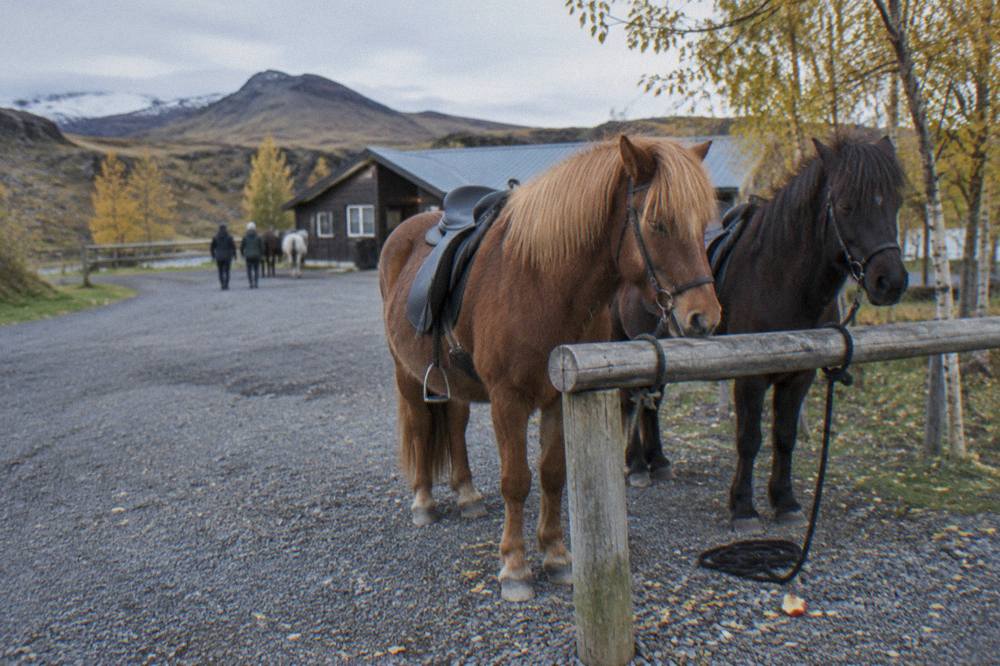
In practice, a holiday rider does none of that. You leave your old gloves and chaps at home, you turn up in clean, ordinary outdoor clothes, and the stable supplies the rest. Íshestar lends a helmet, a warm overall or rain coat, rain pants and rubber boots. Laxnes supplies boots, helmets and rain gear or overall snowsuits. Eldhestar provides helmets, rain gear and warm overalls. Viking Horses goes further with quality saddles, helmets, gloves and rain clothes. The only wardrobe decision left to you is layers and weather sense, which the what to wear riding in Iceland guide covers season by season.
The same biosecurity wall explains a fact that surprises many visitors: an Icelandic horse that is exported can never come home. The breed association notes that no horse or other equine can enter the country at all, which is why the export trade runs one way, with hundreds of horses leaving each year under veterinary law and none returning. The isolation is also the breed's story. These horses descend from animals brought during the settlement era between 874 and 930 and have been bred in genetic isolation for over a thousand years, which is where the tölt, the colours and the winter coat all come from.
One booking decision is worth making early, because it changes the shape of your day. A dedicated ride gets you a farm, a horse and two or three hours of countryside. A combo bolts the ride onto something else: the Golden Circle and horse riding day tour from BusTravel Iceland pairs a full 11-hour Golden Circle circuit with stable time, from $223 per person, rated 4.7 across 80 reviews, with a 120 kg limit and pickup included. Riders who want the saddle to be the main event should book a standalone ride; riders budgeting one day for everything should look at the combos.
Cancellation terms vary more than prices do, so check them before booking rather than after. Viking Horses offers a full refund more than 14 days out, scaling to no refund inside four days, with all cancellations in writing. Sólhestar refunds in full up to 24 hours before departure on its standard rides. Every listing on this site shows its own terms on the live booking page, and free-cancellation windows are common enough that booking early rarely costs you flexibility.
How Much Does It Cost To Ride An Icelandic Horse?
Less than most visitors fear. Across the thirty listings on this site, short rides start from $86 per person for a 30-minute photo ride, one to two-hour tours cluster between $95 and $191, and full combos with Golden Circle sightseeing or snorkeling run from $222 to $307. Every price is a snapshot: the live listing shows the current figure.
The roster's price floor belongs to the north: the Hestasport 30-minute waterfall photo ride at from $86 per person, a short loop built around photographs rather than distance. At the top end, the Silfra snorkel and riding combo from Arctic Adventures runs about 8 hours and from $307 per person. Between those poles sits the market most riders actually buy into, and the banding is remarkably tidy.
| Tour type | Roster examples | Price span |
|---|---|---|
| Short rides, 30 to 60 minutes | Hestasport waterfall photo ride, Íshestar Comfort Ride, Eldhestar Countryside Charm, Vik 1-hour beach ride | from $86 to $128 per person |
| Half-day rides, 1.5 to 3.5 hours | Sólhestar Red Lava, Íshestar lava field, Viking Horses Mjölnir, Laxnes Farm Ride, Eldhestar Siggi | from $129 to $191 per person |
| Beach and waterfall rides, 2 to 3 hours | Foss Travel black beach, Saddle Stories Írafoss, Reynisfjara and South Iceland beach rides | from $185 to $303 per person |
| Combos with sightseeing | Golden Circle day tour, whale watching combo, Silfra snorkel combo | from $222 to $307 per person |
| Private rides | AK Hestaferdir Gásir, Icelandic Riding Úlfarsfell and Hafravatn, Finnsstaðir | from $126 to $247 per person |
Two patterns are worth reading off that table. First, duration drives price more than scenery does: a 1-hour beach ride at Vik costs from $126, while a 3-hour beach ride on the same coast costs from $292, and both are black sand. Second, private rides are not a different league. The private Gásir ride from Akureyri starts at from $126 per person, inside the price band of a group half-day ride, so a family that wants the horses to itself is not paying a luxury premium to get it.
What the price buys also varies less than you would think. Across the roster, helmets and rain gear are standard inclusions, pickup is offered on most Reykjavik-area listings, and the weight and age limits above are the same whether you pay $95 or $300. The honest budgeting advice is to pick the landscape you want, confirm the operator's weight and age lines against the tables earlier in this article, and then let duration set the price. For the full cost picture including how rides compare with the rest of an Iceland budget, the cost of horseback riding in Iceland guide carries the complete breakdown.
Common Questions About Riding Icelandic Horses
Can you ride icelandic horses?
Yes. Icelandic horses are the country's riding breed and stables across Iceland sell seats on them to the public daily, year round. Most listings welcome complete beginners, with operator weight limits from 100 to 120 kg and minimum ages from 6 to 12 depending on the tour.
can icelandic horses be ridden?
Yes, being ridden is their historical job. Descended from settlement-era imports and isolated for over a thousand years, the breed was Iceland's transport and farm horse, and today's tour stables run the same horses for guests at every experience level, mostly at walking pace with a chance to try the tölt.
Can beginners ride Icelandic horses?
Yes, most tours are built for them. The Íshestar lava field ride takes beginners and intermediates, Eldhestar and Laxnes describe their standard tours as suited to all levels, and Viking Horses caps its volcano tour at eight riders with a guide in front. Only wilderness treks ask for experienced riders.
Is there a weight limit for riding Icelandic horses?
Laxnes accepts up to 120 kg, Íshestar, Sólhestar, Viking Horses and Eldhestar set 110 kg, and Vik Horse Adventure and Hestasport set 100 kg, with Vik reserving the right to weigh riders on site. Ask the operator directly if you are near the line.
Can children ride Icelandic horses?
Yes, from age 6 on the shortest family rides, such as the 30-minute Vik beach ride and Sólhestar's 1-hour tours. Age minimums rise with duration: 7 on the lava field and farm rides, around 10 on longer tours, and 14 on Sólhestar's rides of 3 hours and longer.
Do you need a helmet to ride an Icelandic horse?
Yes, and you do not need to bring one. Every major operator in the roster supplies helmets as a standard inclusion, alongside rain gear and often rubber boots or warm overalls. Helmets are fitted at check-in before the safety briefing.