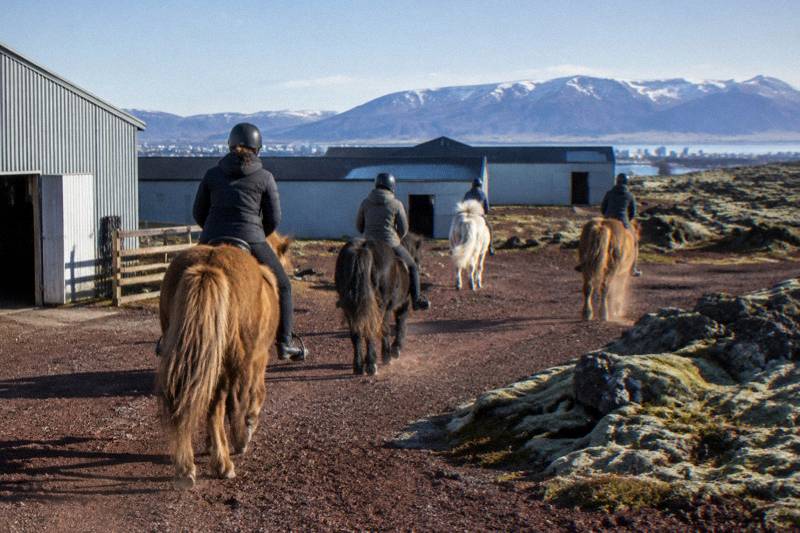
Horseback Riding In Iceland: How To Choose The Right Ride
Thirty riding listings cover five regions of Iceland, from half-hour farm loops to eleven-hour Golden Circle days. This guide sorts them by region, duration, scenery and experience level so you can pick the one that fits your trip.
Short answer
There is no single best ride in Iceland, because the choice depends on region, duration and level. The most reviewed option is the Sólhestar Red Lava Ride, 4.8 across 2,789 reviews, from $140 per person. For a first ride near Reykjavik, the Laxnes Farm Ride, from $166, and the Íshestar lava field ride, from $129, are the strongest fits.
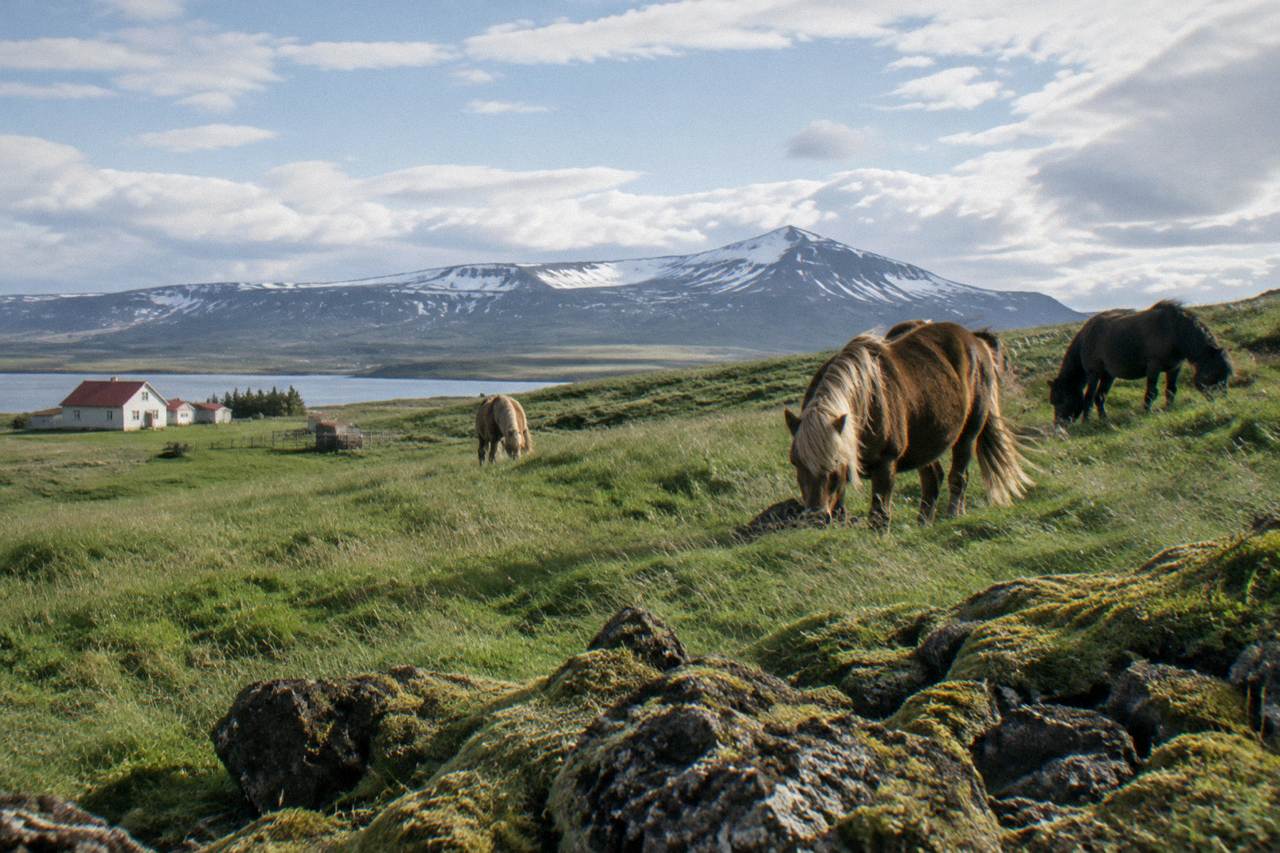
Iceland runs on horses. Around 40 percent of the more than 300,000 registered Icelandic horses worldwide live in the country, and riding tours operate in all twelve months of the year, from half-hour farm loops to full-day Golden Circle combinations. The practical problem for a visitor is not finding a ride, it is choosing among thirty-plus listings that differ by region, duration, terrain and how much experience they expect. This guide walks through those four decisions in order, using the real prices, ratings and operator rules from the current roster.
The breed itself is part of the draw. The registries refer to it as a horse, not a pony, and most Icelandic horses are five-gaited: walk, trot, canter, plus the tolt, a smooth four-beat lateral gait with no suspension phase, and the flying pace. You can read more about that in what makes the tolt special. But the gait does not vary between tours, the scenery, the guide and the horse assigned to you do, and that is where the choosing happens.
What Is The Best Horseback Riding Tour In Iceland?
The honest answer is that "best" splits into four different questions: best scenery, best value, best for a nervous first-timer and best for a confident rider. By review volume the strongest listing is the Sólhestar Red Lava Ride near Reykjavik, rated 4.8 across 2,789 reviews, from $140 per person. For value, the one-hour Eldhestar Countryside Charm ride starts at $95. For a first ride, the Laxnes Farm Ride suits all levels.
We compared the listings across the whole roster, and a few patterns hold up. The rides with the deepest review pools cluster near the capital: the Sólhestar Red Lava Ride with 2,789 reviews, the Laxnes Farm Ride at 4.8 across 901 reviews, and the Íshestar lava field ride at 4.8 across 1,989 reviews. That is partly because Reykjavik is where most visitors stay, and partly because those stables have run daily departures for years.
Small listings tell a different story. The Víðidalur volcanic landscape ride from Islenski Hesturinn holds a 5.0 rating, but across 22 reviews, which is a strong signal from a small pool rather than a proven track record at scale. The Saddle Stories beach rides on the south coast have two to seven reviews each, too few for a star claim at all. A high number from a small pool is not a reason to avoid a tour, it is a reason to read the listing carefully rather than trust the number alone.
For most first-time visitors the Laxnes Farm Ride is the safest all-round pick: it runs about 3 hours 30 minutes door to door, suits all levels, includes pickup from central Reykjavik, and the farm sits about a 20-minute drive from the city. You can see the full listing on the Laxnes farm ride page or go straight to the operator's live listing to Check availability. If your question is narrower than "which tour", the sections below answer it by region, length, level and budget.
Where Is The Best Place To Horseback Ride In Iceland?
The best place depends on what you want to look at: lava fields and geothermal valleys near Reykjavik and Hveragerdi, black sand beach and ocean on the south coast near Vik, wide green fjord country in Skagafjordur in the north, or waterfalls and woodland valleys inland. Every region has well-reviewed rides, so the scenery you want, not the quality of the horses, should drive the choice.
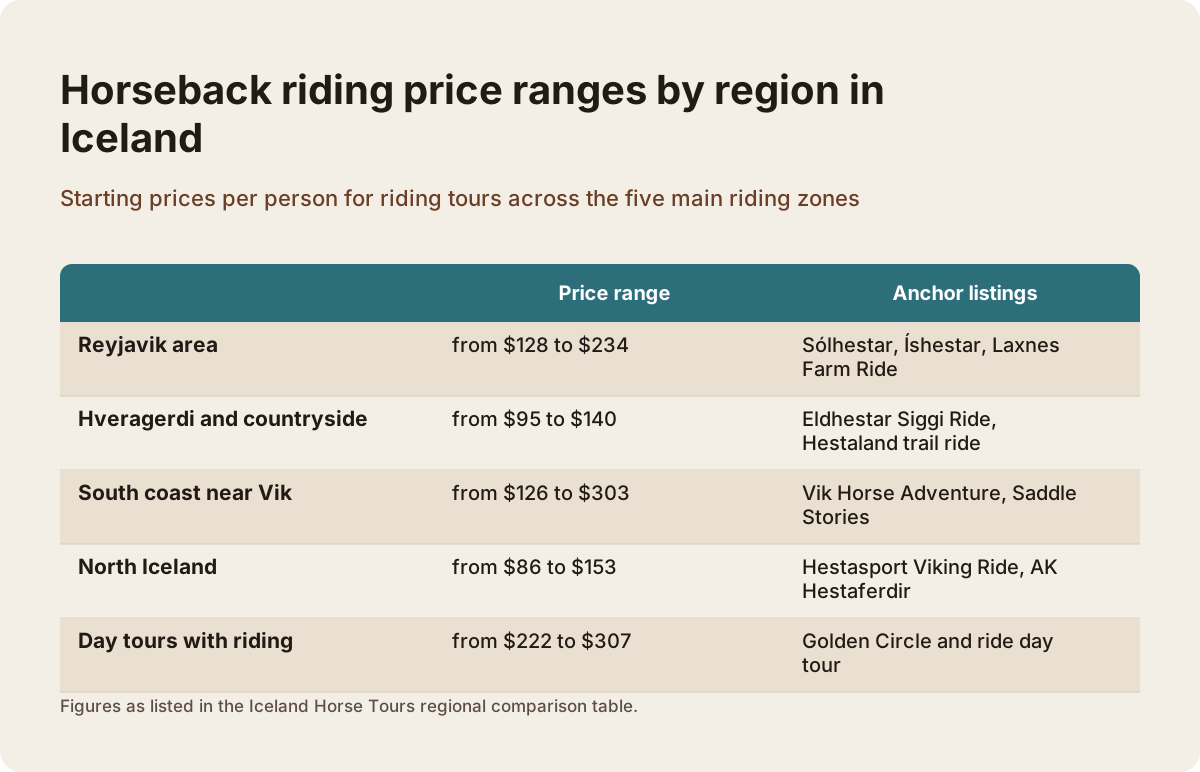
Iceland's riding country splits into five practical zones, and the roster covers all of them. The table below shows what each zone offers and which listings anchor it.
| Region | Typical scenery | Anchor listings | Price range |
|---|---|---|---|
| Reykjavik area | Lava fields, old craters, coastal tracks | Sólhestar Red Lava Ride, Íshestar lava field ride, Laxnes Farm Ride | from $128 to $234 |
| Hveragerdi and countryside | Geothermal valleys, hot spring rivers, farmland | Eldhestar Siggi Ride, Sólhestar Reykjadalur ride, Hestaland trail ride | from $95 to $140 |
| South coast near Vik | Black sand beach, ocean, Reynisfjara cliffs | Vik Horse Adventure beach ride, Saddle Stories rides, Foss Travel beach ride | from $126 to $303 |
| North Iceland | Skagafjordur fjord country, Akureyri valleys | Hestasport Viking Ride, Deacon Ride, AK Hestaferdir rides | from $86 to $153 |
| Day tours with riding | Golden Circle, Thingvellir, Silfra fissure | Golden Circle and ride day tour, riding and Silfra snorkel combo | from $222 to $307 |
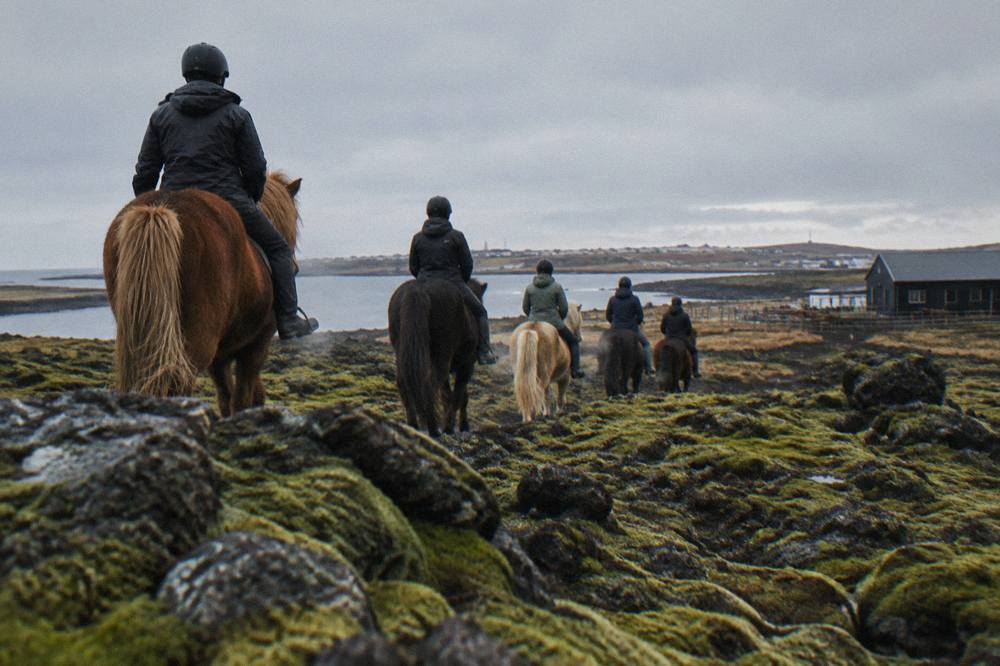
The Reykjavik zone is where most people ride, and the lava field is its signature landscape. The Sólhestar Red Lava Ride spends about 2.5 hours among red volcanic rock on the city's edge, and the Íshestar lava field ride runs 2 to 4.5 hours depending on the option you book, with helmet, overalls, rain gear and rubber boots all borrowable at the stable. If you want the full picture of this zone, the lava field riding guide breaks down every listing.
The south coast is the most cinematic of the five. The one-hour Vik Horse Adventure beach ride, rated 4.8 across 571 reviews, runs along Víkurfjara black sand beach and is suitable for beginners as well as experienced riders, mostly at walking pace with a chance to try the tolt for capable riders. The operator sets a weight limit of 100 kg fully clothed and reserves the right to weigh riders near the limit, so borderline riders should ask before booking. The Saddle Stories Reynisfjara ride is the longer, pricier option at about 3 hours, from $292, with a 100 kg limit as well. One safety note that belongs here: Reynisfjara beach itself uses a warning light system, red means stay out of the danger zone entirely, and there is no lifeguard, so follow the signage if you visit the beach on foot as well as on horseback.
North Iceland is the connoisseur's choice. Skagafjordur is the heartland of Icelandic horse culture, and the Hestasport Viking Ride from Varmahlid, rated 4.9 across 223 reviews and from $118, is the best-value listing in that zone. The trade-off is distance: Varmahlid is about 287 km and a bit over four hours' drive from Reykjavik, so it fits a north-based itinerary rather than a day trip. The north Iceland riding guide covers the zone in detail.
If you are torn between two regions, a useful tie-breaker is how you want to spend the rest of the day. The Reykjavik and Hveragerdi rides leave your afternoon free for the city or a hot spring hike, while the south coast rides pair naturally with the waterfalls and glaciers you were probably already driving to see. And if you cannot decide between riding and the famous sights, the combo listings let you do both in one booked day.
How Long Should Your Icelandic Ride Be?
Most first-time visitors are happiest in the 1.5 to 3 hour range, which in Iceland usually means 1 to 1.5 hours actually in the saddle plus briefing, mounting and gear fitting. A 30 to 60 minute ride suits young families or anyone unsure about horses. Beyond 3 hours in the saddle, expect genuine tiredness: riding uses muscles that sitting does not, and the tolt is smooth but the wind and cold still take energy.
The roster's durations are mostly door-to-door totals, not saddle time, and that distinction trips people up. The Viking Horses tours, for instance, run about 3 hours total but only 1 to 1.5 hours riding, with the rest spent on pickup, gear and time at the stable. The Laxnes Farm Ride at about 3 hours 30 minutes includes hotel pickup from Reykjavik. When a listing says 2 hours, assume roughly half to two-thirds of that on horseback unless the listing states otherwise.
| Listing | Total duration | Weight limit | Pickup |
|---|---|---|---|
| Hestasport waterfall photo ride | ~30 minutes | not stated | not stated |
| Íshestar comfort ride | ~50 minutes | 110 kg | no |
| Eldhestar Countryside Charm ride | ~1 hour | 110 kg | no |
| Vik Horse Adventure beach ride | ~1 hour | 100 kg fully clothed | no |
| Sólhestar Red Lava Ride | ~2.5 hours | 110 kg | offered |
| Íshestar lava field ride | ~2 to 4.5 hours | 110 kg | offered |
| Laxnes Farm Ride | ~3 hours 30 minutes | 120 kg | offered |
| Golden Circle and ride day tour | ~11 hours | 120 kg | offered |
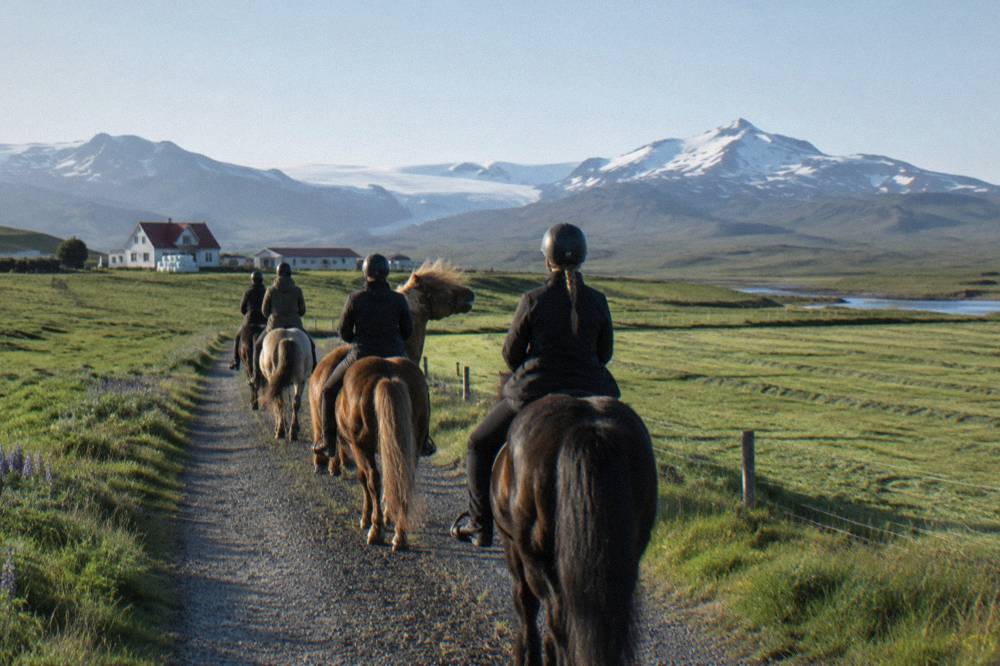
For a first ride, 1.5 to 2 hours total is the sweet spot: long enough to leave the stable yard, relax into the horse's rhythm and try the tolt, short enough that you finish wanting more rather than sore. The Eldhestar Siggi Ride at about 2 hours, from $135, and the Hestaland trail ride with a prep lesson, 1.5 to 2.5 hours from $135, both sit in that window. If you are wondering whether even two hours is too much for a beginner, the answer in most cases is no, and this article on ride length for beginners works through the question in detail.
Longer is not automatically better. An 11-hour Golden Circle day with a riding stop is a wonderful day out, but the riding portion is one chapter of it. If riding is the main reason you are booking, a dedicated 2 to 3 hour tour will give you more time with the horse than a combo day ever can.
What Does "Suitable For Beginners" Actually Mean On An Icelandic Tour?
On Icelandic listings, "suitable for beginners" means walking pace with maybe some tolt, a calm horse chosen for you, and a guide riding lead, it does not mean you will canter on a beach. Operators state their levels plainly: the Íshestar lava tour takes beginners and intermediate riders, the Viking tour asks for strong intermediate riders, and wilderness tours at Eldhestar are for experienced riders only. Match the listing's stated level, not your optimism.
The level labels matter because Icelandic horses are forward-going. They are calm and sure-footed, but they are bred to move out, and a "beginner" tour still involves a horse that walks briskly and may tolt without being asked. Most operators handle this well by assigning horses at the stable, and you should be honest about your experience at check-in, because that assignment is where your safety is decided. The full index of guides sits on Iceland Horse Tours.
| Listing | Stated level | Notes from the operator |
|---|---|---|
| Íshestar lava field ride | Beginners and intermediate | 1.5 to 2 hours in the saddle |
| Viking Horses volcano ride | All levels, beginner friendly | Max 8 people per tour |
| Laxnes Farm Ride | Suited for all levels | Boots, helmets and rain gear supplied |
| Eldhestar half-day rides | Suited for all experience levels | Paddock rides available for younger children |
| Íshestar Viking Express ride | Strong intermediate riders | 2.5 to 3 hour ride |
| Eldhestar wilderness tours | Experienced riders only | Stated on the operator's FAQ |
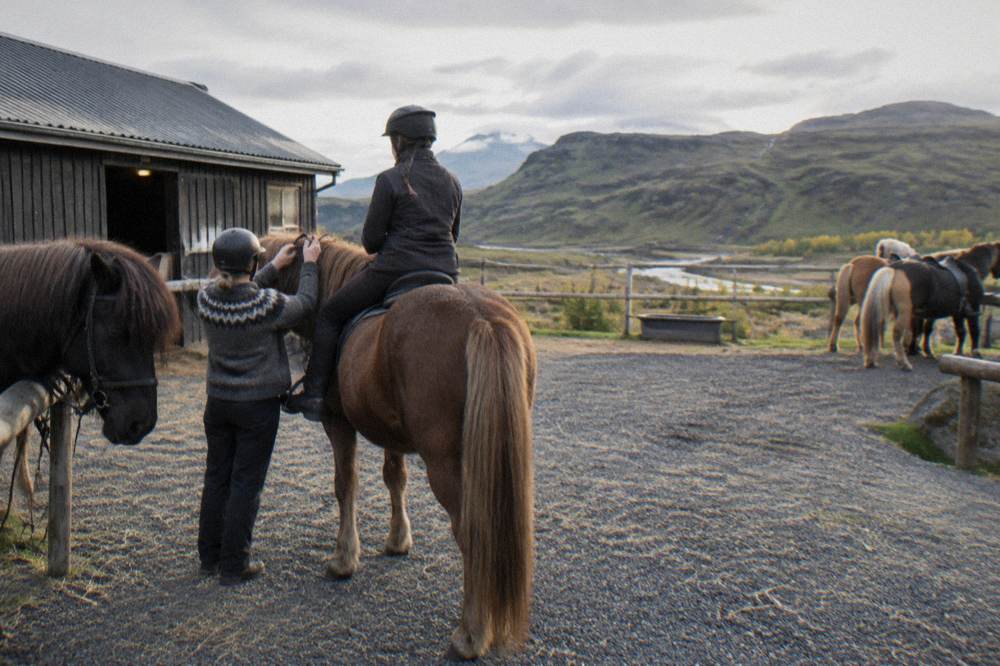
Age works the same way, as an operator-stated rule rather than a national one. Solhestar takes children from age 6 on its 1-hour tours, age 10 at 1.5 hours, and 14 on rides of 3 hours or longer. The Íshestar lava tour has a minimum age of 7, its Viking tour 12. Viking Horses sets 10 years for beginners and 8 for experienced young riders. If you are travelling with children, the family riding guide lists every operator's age floor side by side.
Weight is the other gate, and it is strict because it protects the horses. Limits across the roster run from 95 to 120 kg, with most operators at 100 to 110 kg. Laxnes has the highest at 120 kg, several south coast and northern operators sit at 100 kg, and Vik Horse Adventure specifies 100 kg fully clothed and may weigh riders on site. The rider weight limit guide covers borderline cases, and the honest advice is to email the operator before booking rather than hope.
How Much Does Horseback Riding In Iceland Cost?
Short rides in Iceland run from about $86 to $140 per person, the standard 2 to 3 hour tours cluster between $128 and $200, and combo days run from $222 to $307. The cheapest listing on the roster is the 30-minute Hestasport waterfall photo ride at from $86, and the most expensive single ride is the Saddle Stories south coast beach ride at from $303.
Prices in this article are snapshots printed as "from" figures; the live price and any seasonal variation show on the operator's listing when you book. What you get for the money is fairly consistent across the roster: the horse, a helmet, and usually rain gear, overalls and boots. Viking Horses includes high-quality saddles, helmets, gloves and rain clothes, Laxnes supplies boots, helmets, rain gear or overall snowsuits, and Íshestar lends a warm overall or rain coat, rain pants and rubber boots.
| Budget band | Listings | What you get |
|---|---|---|
| Under $130 | Hestasport photo ride ($86), Eldhestar Countryside Charm ($95), Vik beach ride ($126), Íshestar comfort ride ($128), Sturlureykir Viking Ride ($129) | 30 minutes to 1.5 hours, meet at the stable |
| $130 to $200 | Sólhestar rides ($140), Eldhestar Siggi ($135), Hestaland trail ride ($135), Laxnes Farm Ride ($166), Viking Horses rides ($179 to $182) | 1.5 to 3.5 hours, most with pickup |
| $200 to $307 | Private rides ($126 to $247), Saddle Stories rides ($246 to $303), combo tours ($222 to $307) | Private groups, beach rides, full-day combos |
The value logic is straightforward. Price tracks hours and transport more than scenery: the one-hour Vik beach ride at from $126, rated 4.8 across 571 reviews, is one of the cheapest ways onto a genuinely dramatic beach, while a private 3-hour lake ride near Reykjavik at from $206 buys exclusivity rather than a better view. Pickup adds cost but removes a car, which matters if you are not renting one.
What Should You Wear, And What Can You Not Bring?
Wear layers, waterproofs and sturdy shoes, and borrow the boots and overalls the stable offers, but leave every piece of used riding equipment at home. Iceland's veterinary authority prohibits importing used saddles, bridles, pads, whips and used riding gloves outright, and used riding clothes and boots must be machine washed or dry cleaned before entry, because Icelandic horses are unvaccinated and highly susceptible to imported disease.
This is the one rule with legal force behind it. The Icelandic Food and Veterinary Authority states that used riding equipment and used riding gloves are strictly prohibited, and that riding clothes, helmets and boots that cannot be machine washed or dry cleaned must be rinsed with detergent, dried, sprayed with a 2 percent VirkonS solution and stored at least 5 days before contact with horses in Iceland. The same biosecurity logic is why no horse can be imported into the country at all, and why a horse that leaves Iceland can never return, as the breed association explains on its breed page. The full import rules are on the authority's riding equipment page.
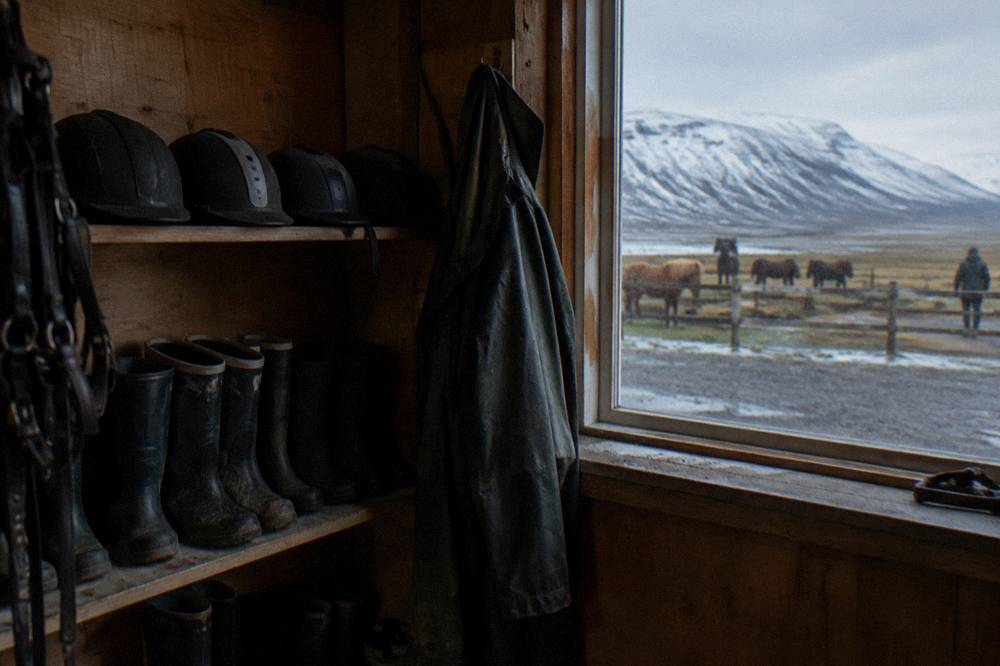
In practice this means you should bring ordinary outdoor clothing, washed before you fly, and let the stable supply the rest. Helmets are always provided and fitted at check-in, and the major operators lend boots and rain gear as a matter of course. Gloves are usually available too, but your own gloves must be new or freshly washed, never the pair you last rode in at home. The what to wear guide has a full packing list by season.
Weather, not fashion, drives the clothing choices. Reykjavik's warmest average high is 14.9 C in July and the winter months sit a few degrees above freezing, but rain is frequent in every month and wind can make a dry day feel far colder. A waterproof outer layer is worth packing even for a July ride, and the overalls the stables lend are warm enough that you often do not need your own heavy coat.
How Do You Reach The Icelandic Riding Stables?
Pickup is offered on roughly half the roster's listings, concentrated in the Reykjavik area, the easy option if you have no car. Without pickup, the stables are 15 to 45 minutes' drive from central Reykjavik for the capital-area rides, about 3 hours to Vik on the south coast, and four hours or more to the northern zones, so a rental car or a combo tour with transport is the realistic choice outside the capital.
The driving times below are free-flow estimates from routing data, without weather or traffic, and winter conditions can stretch every one of them.
| Destination from central Reykjavik | Distance | Driving time |
|---|---|---|
| Hafnarfjordur (Íshestar, Sólhestar area) | 10.7 km | about 15 minutes |
| Mosfellsbaer (Laxnes area) | 15.2 km | about 18 minutes |
| Hveragerdi (Eldhestar, Sólhestar valley rides) | 44.9 km | about 43 minutes |
| Vik (Vik Horse Adventure, Saddle Stories) | 186.2 km | about 2 hours 46 minutes |
| Varmahlid, Skagafjordur (Hestasport) | 286.8 km | about 4 hours 12 minutes |
| Akureyri (AK Hestaferdir, Deacon Ride) | 380.8 km | about 5 hours 35 minutes |
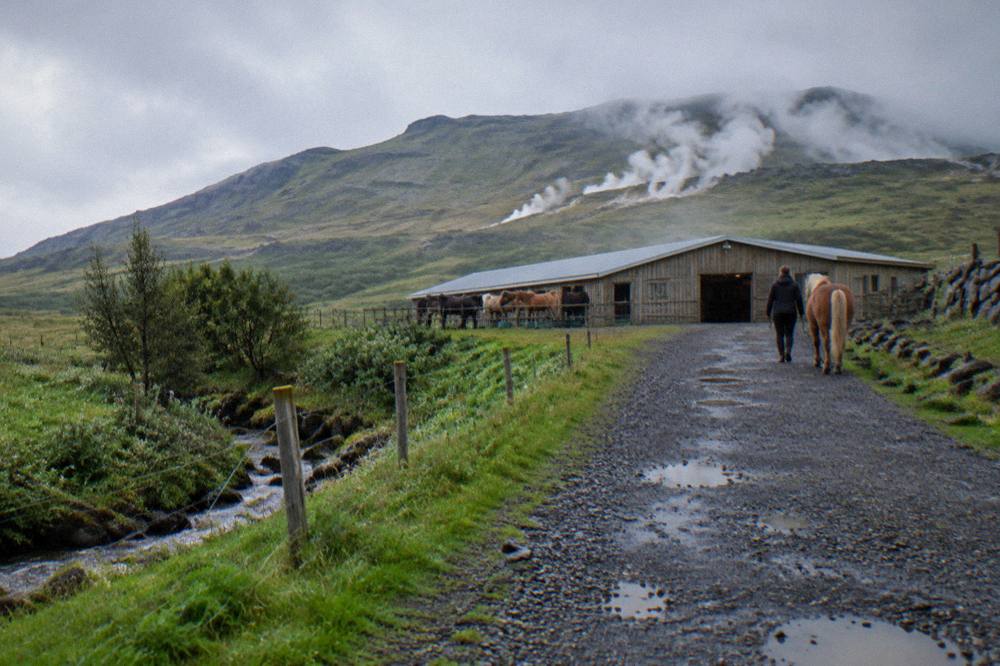
Pickup details are operator-specific and worth reading on the listing. Laxnes picks up from Reykjavik centre or nearby hotels, and its timetable limits which outlying towns it can serve. Eldhestar collects from the main bus station, hotels, guesthouses and designated bus stops, but cannot collect from private apartments. Viking Horses offers free pickup within the city centre, and Íshestar runs set pickup times from major points in Reykjavik. If your accommodation falls outside an operator's pickup zone, the car-free travel guide explains the public bus options that reach the stable areas.
Outside the capital, plan the ride into a route rather than around one. The Vik Horse Adventure stable is about a 3-hour drive from Reykjavik, and the operator notes most riders arrive in a rental car as part of a south coast trip. The northern stables belong on a Ring Road itinerary, not a day excursion. This is also where the combo tours earn their price: the Golden Circle and riding day tour, about 11 hours and from $223, includes transport from Reykjavik, so you get a full sightseeing day and a ride without touching a steering wheel.
One last planning note. Booking with free cancellation and paying later is standard across much of this roster, and it is worth using, because Icelandic weather occasionally forces a stable to reschedule. Reserve the ride that matches your region, length and level, keep the confirmation email handy, and wash anything you plan to wear in the saddle before you pack it.
Common Questions About Choosing A Horseback Riding Tour In Iceland
What is the best horseback riding tour in Iceland?
By review volume, the Sólhestar Red Lava Ride leads the roster at 4.8 across 2,789 reviews, from $140 per person. For a first ride, the Laxnes Farm Ride (4.8 across 901 reviews, from $166) and the Íshestar lava field ride (4.8 across 1,989 reviews, from $129) are the strongest fits. The true answer depends on your region, duration and experience level, which this guide works through above.
best place to horseback ride in iceland
For scenery, the black sand beach rides near Vik on the south coast are the most dramatic, from $126 for the one-hour Vik Horse Adventure ride. For convenience, the lava fields and geothermal valleys around Reykjavik and Hveragerdi hold the deepest roster of tours. Skagafjordur in the north is the breed's heartland, best paired with a north Iceland itinerary.
How much does horse riding cost in Iceland?
Short rides run from about $86 to $140 per person, standard 2 to 3 hour tours cluster between $128 and $200, and combo days run from $222 to $307. All prices here are "from" snapshots; the operator's live listing shows the current price and departure dates.
Can beginners ride Icelandic horses?
Yes. Many listings are explicitly beginner friendly, including the Íshestar lava field ride, the Viking Horses volcano tour and the Laxnes Farm Ride. Expect walking pace with a chance to try the tolt, a horse assigned to you at the stable, and a guide leading the group. Always match the listing's stated level rather than booking above it.
Is there a weight limit for riding in Iceland?
Yes. Laxnes has the highest at 120 kg, while several south coast and northern operators sit at 100 kg. Vik Horse Adventure specifies 100 kg fully clothed and may weigh riders near the limit, so ask the operator first if you are close to the line.
Do I need pickup, or can I drive to the stable?
Capital-area stables are 15 to 45 minutes' drive from central Reykjavik, and about half the roster's listings offer pickup from Reykjavik. If you have a rental car, free parking is common, and Sólhestar states it on its listing. Outside the capital, a car or a combo tour with transport is the realistic way to reach the stable.