Black Sand Beach Horse Riding Near Vik: Rides, Safety And Timing
The south coast village of Vik sits between two black sand beaches, and a handful of operators ride Icelandic horses along them. This guide compares every bookable beach ride near Vik, explains the sneaker wave rules that shape every departure, and covers the age and weight limits that decide who can ride.
Short answer
The main ride at Vik itself is the Vik Horse Adventure 1-hour Black Beach Ride, from $126 per person, rated 4.8 across 571 reviews, with a 100 kg weight limit and a minimum age of 10. Alternatives include the Foss Travel 2-hour black beach ride from $185 and the Saddle Stories Reynisfjara ride from $292.
The village of Vik, on Iceland's south coast, is the natural base for black sand beach riding. Two beaches flank it: Vikurfjara, the stretch of black sand right beside the village, and Reynisfjara, the better-known beach under the Reynisdrangar sea stacks a few minutes' drive west. Riding tours operate here all year, and the roster of bookable rides is small enough that a side-by-side comparison genuinely settles the decision.
The anchor product is the Vik Horse Adventure 1-hour Black Beach Ride along Vikurfjara, from $126 per person, rated 4.8 across 571 reviews, the most reviewed ride in this corner of the country. Around it sit a handful of longer options from other stables, each with different durations, weight limits and prices. What every one of them shares is the same shoreline, the same weather system, and the same set of safety rules about the ocean. This guide works through all of it: the rides, the sneaker wave risk, the limits on who can ride, and the timing that makes the difference between a good beach ride and a soaked one.
What Is Riding The Black Sand Near Vik Actually Like?
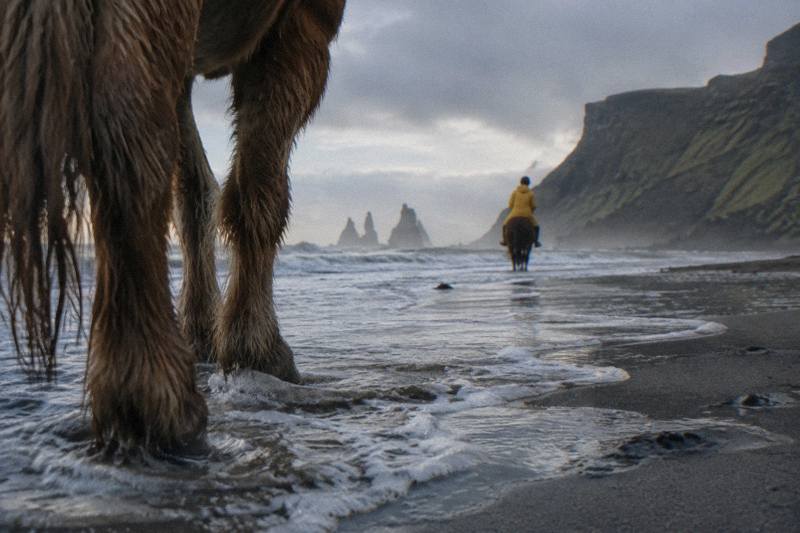
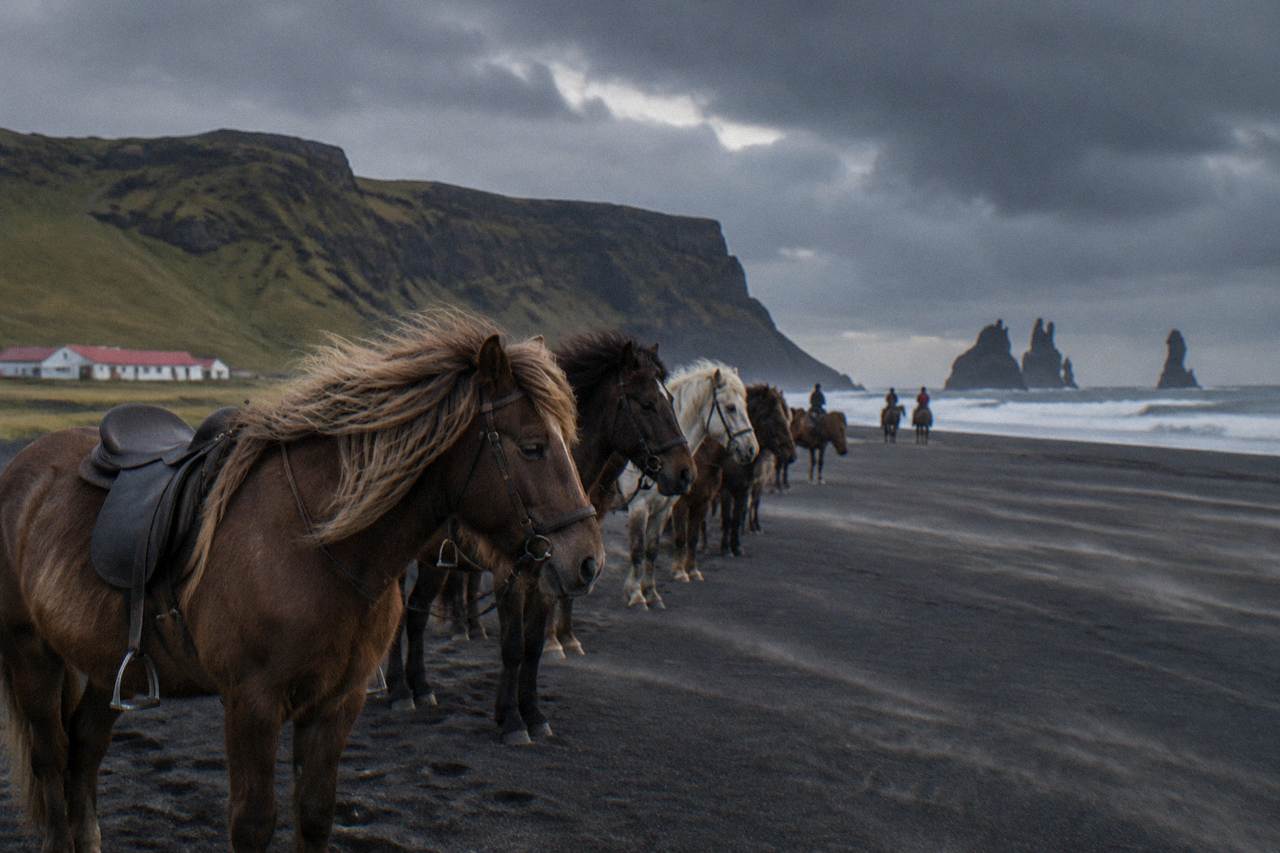
A beach ride near Vik is a slow, scenic hour or two at mostly walking pace, not a gallop along the surf. Vik Horse Adventure describes its 1-hour Black Beach Riding Tour as suitable for beginners and experienced riders, moving mostly at walking speed with the opportunity to try the tölt gait for capable riders. The format is short, easy-going and built around the landscape rather than the pace.
That walking-pace description matters for setting expectations. Riders sometimes arrive imagining a fast beach canter, and the stables here do not sell that. The Icelandic horse's signature gait, the tölt, is the highlight instead: a smooth four-beat lateral gait that the breed is known for, offered to riders the guide judges capable of it. If the tölt is the thing drawing you to Iceland, the tölt gait explainer covers how it feels and why the breed has it.
The rides themselves run in every month of the year, which surprises visitors who assume winter shuts the south coast down. Vik Horse Adventure departs from its stable at Smiðjuvegur 6 in Vik and operates its beach tours year-round, and the same is true of the longer beach rides further along the coast. Winter brings shorter days and colder hands, covered in the timing section below, but not cancelled departures.
For beginners, this is one of the friendliest formats in the country. A 1-hour ride at walking pace is a gentle introduction to the breed, and the beginner's guide to riding in Iceland ranks short beach rides among the best first rides precisely because the terrain is flat and open. The sand is soft underfoot, the group stays together, and the guide sets the pace by the least experienced rider in the line.
Which Black Sand Horse Rides Can You Book Near Vik?
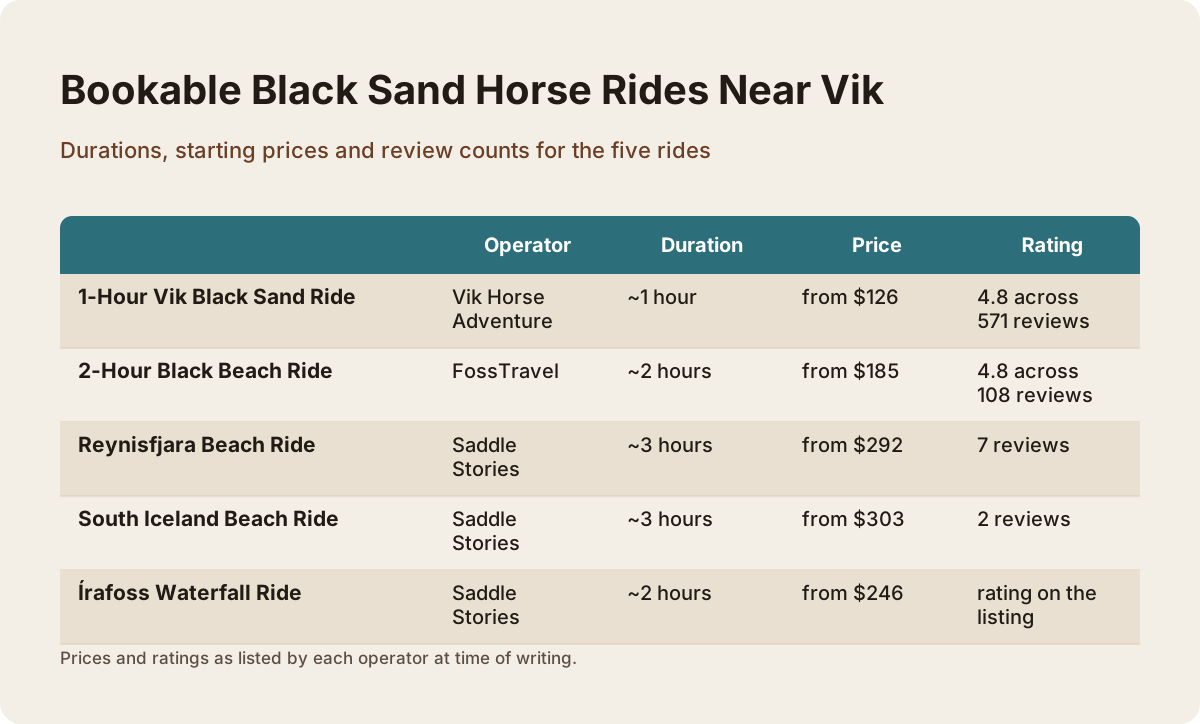
Five bookable rides cover the black sand country around Vik. The Vik Horse Adventure 1-hour ride is from $126 per person, the Foss Travel 2-hour black beach ride is from $185, and the three Saddle Stories rides, the Reynisfjara beach ride, the South Iceland beach ride and the Írafoss waterfall ride, run from $246 to $303. Durations span 1 to 3 hours.
The table below is the full set. Prices are per person and shown as the "from" price on each listing; the live listing shows the current price for your date.
| Ride | Operator | Duration | Price | Rating |
|---|---|---|---|---|
| 1-Hour Vik Black Sand Ride | Vik Horse Adventure | ~1 hour | from $126 | 4.8 across 571 reviews |
| 2-Hour Black Beach Ride | FossTravel | ~2 hours | from $185 | 4.8 across 108 reviews |
| Reynisfjara Beach Ride | Saddle Stories | ~3 hours | from $292 | 7 reviews, too few for a rating claim |
| South Iceland Beach Ride | Saddle Stories | ~3 hours | from $303 | 2 reviews, too few for a rating claim |
| Írafoss Waterfall Ride | Saddle Stories | ~2 hours | from $246 | rating on the listing |
Read the ratings carefully here, because the review pools are very different sizes. The Vik ride's 4.8 comes from 571 reviews, a genuinely substantial pool. The Foss Travel ride's 4.8 comes from 108 reviews, still solid. The Saddle Stories beach rides are newer listings with 7 and 2 reviews respectively: real products from a real operator, but too few reviews for a star claim to mean anything, so judge them on the itinerary and price rather than a rating that does not exist yet.
The choice between them mostly comes down to time and budget. The Vik ride is the shortest and cheapest, and it is the only one that departs from Vik village itself, which matters if you are staying there. The Foss Travel ride doubles the saddle time for roughly $60 more. The Saddle Stories rides are the premium tier: three hours, small groups, and itineraries that reach the Reynisfjara stretch of coast or the Írafoss waterfall rather than staying on the village beach.
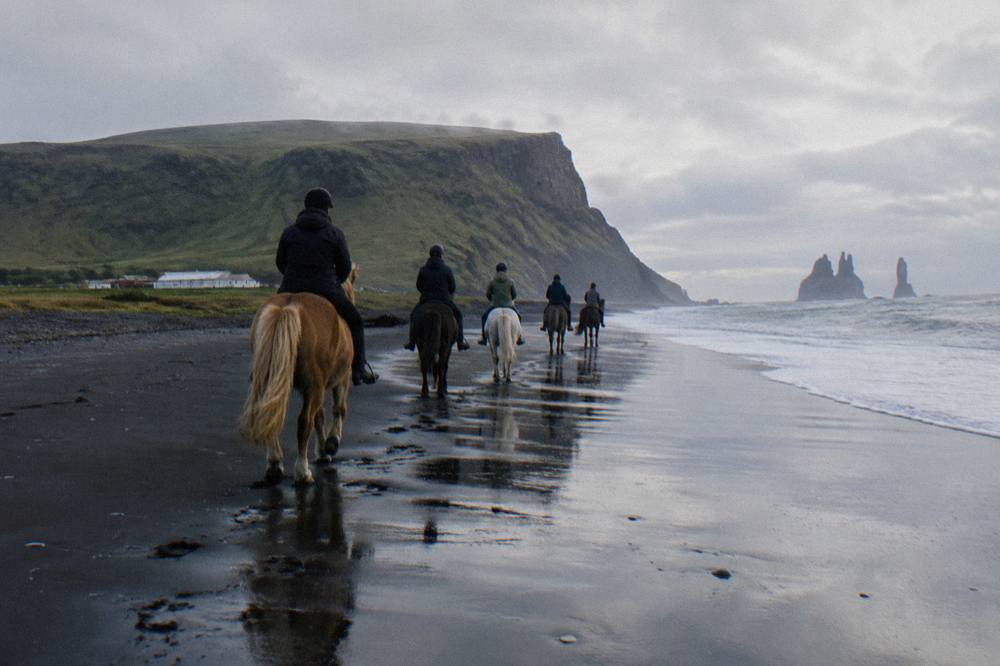
The Reynisfjara beach ride is the one most readers ask about, because it puts horses on the most photographed beach in Iceland. It is a 3-hour, small-group product from $292 per person with a 100 kg weight limit, and with only 7 reviews so far it is best evaluated on its own description rather than social proof. If a long small-group beach ride appeals but the price is steep, the Foss Travel 2-hour ride covers similar shoreline at a lower price point.
There is also a decision worth making early: whether to ride at Vik at all, or to ride from Reykjavik instead and visit the south coast separately. The Viking Horses Mjölnir afternoon ride, from $179 per person with pickup from Reykjavik, is a 3-hour small-group tour rated 4.2 across 33 reviews, and its price sits close to the Vik ride once you factor in the fuel and the best part of four hours of driving each way. The ride picker on the homepage of Iceland Horse Tours weighs this trade-off directly.
Is Reynisfjara A Black Sand Beach In Iceland?
Yes. Reynisfjara is a black sand beach, and it is the most famous one in Iceland, sitting about 5 minutes' drive west of Vik beneath the Reynisdrangar sea stacks and the basalt cliffs. It is a separate beach from Vikurfjara, the black sand stretch beside Vik village where the 1-hour riding tours actually depart. The two are often confused in searches and guidebooks.
That distinction has real consequences for riders. The horse tours that depart from Vik village ride Vikurfjara, the sand directly accessible from the stable at Smiðjuvegur 6. The Saddle Stories Reynisfjara ride is the product that explicitly names the famous beach, a 3-hour small-group tour from $292. No listing in the current roster promises riding on the sand directly beneath the Reynisdrangar stacks themselves, so if that exact postcard framing is the goal, read the itinerary on the listing before booking.
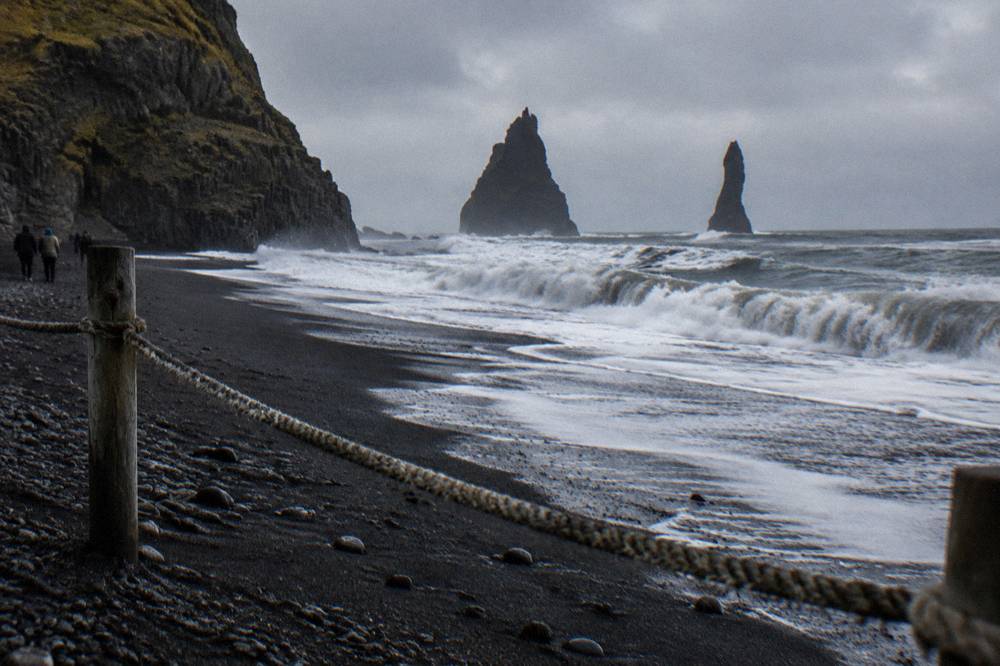
Reynisfjara's fame also comes with a hazard that shapes everything written about it. The beach operates a warning light system: a red light means stay out of the red danger zone entirely, a yellow light means stay behind the yellow light, and the beach's own safety page states the rules plainly. There is no lifeguard on the beach, and visitors are told never to turn their back on the ocean because of sneaker wave risk. Riders and their tour buses follow the same rules as every other visitor.
The confusion between the two beaches is worth one more sentence of practical advice. If you book the Vik village ride expecting the Reynisdrangar backdrop, you will be a short drive away from it, close enough to visit before or after your ride but not riding beneath it. If you book the Saddle Stories Reynisfjara ride, you get the famous coastline but pay roughly twice the price and commit three hours. Neither is wrong; they are simply different products, and the section below on safety applies equally to both.
How Dangerous Are Sneaker Waves When You Ride Near Vik?
Sneaker waves at Reynisfjara are powerful, unpredictable surges that can knock people down and drag them out to sea, with hypothermia risk in cold water, and the beach has no lifeguard. Riding operators manage this by keeping horses and groups well back from the waterline, riding mostly at walking speed, and following the beach's red and yellow warning light system.
The physics is the reason for the rules. A sneaker wave is not a big visible breaker you can see coming; it is a surge that arrives without warning after a sequence of smaller waves, which is exactly why the safety signage tells visitors never to turn their back on the ocean. The official danger page for Reynisfjara describes the red zone and yellow light rules that apply to everyone on the sand, tour groups included.
For riders, the practical version of this is simple. The stables that ride these beaches do so on the dry sand above the waterline, at walking pace, with guides who watch the conditions. The 1-hour Vik ride is described by its operator as easy-going, and the beach riding format exists precisely because it keeps horses and riders away from the surge zone. Your job as a rider is to follow the guide's line and not to wander down to the wet sand for photographs while waiting.
Timing around the tide and the swell is the operator's call, not yours. Departure times at Vik are set by the stable, and the listing shows the slots it is running. If the sea is running high, the ride still goes ahead but stays further up the beach; the format is flexible enough that weather changes the route, not the booking. The one thing not to do is treat the beach as a free walk before or after your ride without applying the same light-system rules you would follow anywhere on this coast.
If safety at the waterline is a concern for a nervous rider or a child in your group, say so when booking. The family-format 30-minute ride at Vik, minimum age 6, is the gentlest possible introduction to beach riding, and the standard 1-hour ride takes riders from age 10. Both are walking-pace products, which is the whole reason they suit cautious riders.
What Are The Age And Weight Limits For Riding At Vik?
The Vik Horse Adventure 1-hour Black Beach Ride takes riders from age 10 with a weight limit of 100 kg fully clothed, and the operator may weigh riders near that limit on site. The 30-minute family ride drops the minimum age to 6. The longer beach rides nearby set their own limits: Foss Travel allows 110 kg, and the Saddle Stories rides range from 100 to 110 kg depending on the listing.
Weight limits on this coast are horse-welfare rules, and operators state them plainly. Vik Horse Adventure's terms set 100 kg fully clothed and reserve the right to weigh riders on site, which is stricter than the Reykjavik-area stables that mostly allow 110 kg, and the Laxnes farm ride near Reykjavik that allows 120 kg. The fuller picture, including how to handle a borderline case, is in the rider weight limit guide.
| Ride | Minimum age | Weight limit | Notes |
|---|---|---|---|
| Vik 1-hour Black Beach Ride | 10 years | 100 kg fully clothed | Operator may weigh riders near the limit |
| Vik 30-minute Family Ride | 6 years | on the listing | Shorter, family-format departure |
| Foss Travel 2-hour Black Beach Ride | on the listing | 110 kg | Twice the saddle time of the Vik ride |
| Saddle Stories Reynisfjara Ride | on the listing | 100 kg | 3-hour small-group format |
| Saddle Stories South Iceland Beach Ride | on the listing | 110 kg | 3-hour small-group format |
| Saddle Stories Írafoss Ride | on the listing | 100 kg | 2-hour waterfall itinerary |
The pattern across the country, for context, is a spread of 95 to 120 kg with most stables between 100 and 110. The south coast beach rides sit at the stricter end because beach sand is heavier going for a horse than a firm stable track. If you are close to a limit, ask the operator before booking rather than assuming; the terms at Vik are explicit that the final call is made on site. The full index of guides sits on Iceland Horse Tours.
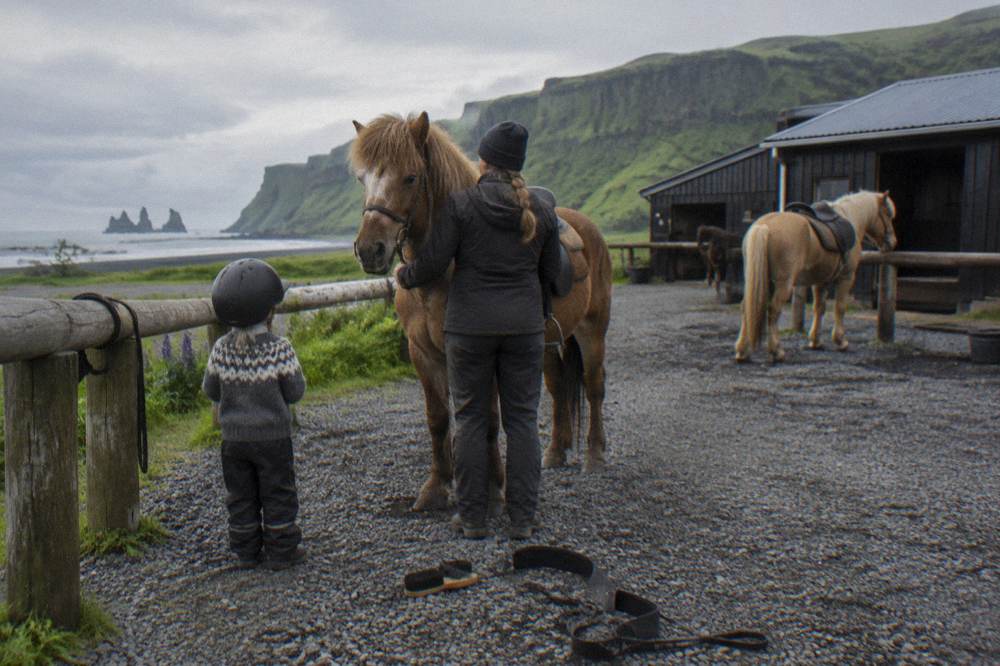
Age works the same way. The 10-year minimum on the standard Vik ride, confirmed on the operator's terms page, is about attention span and control at walking pace on an open beach, and the 30-minute family ride at age 6 exists precisely for children below that line. Families weighing the whole question, including which stables elsewhere take younger children, have a dedicated kids and age limits guide that lists every minimum in the roster.
For adults, the limits are rarely a barrier: the 1-hour format is open to all experience levels, and the operator's own description of the ride as suitable for beginners and experienced riders means no riding CV is required. What is required is honesty about your weight at booking, because a horse matched to a heavier rider than expected is a welfare issue, and stables in Iceland treat it that way without apology.
When Is The Best Month To Ride Horses Near Vik?
June is the best single month to ride near Vik: it is the driest month in the Reykjavik records at 43.3 mm of rain, the daylight runs to about 21 hours, and every operator is running full schedules. September and March trade more rain for the northern lights season, and winter rides run on as little as 4 to 5 hours of effective daylight, which the Eldhestar FAQ describes as the mid-winter norm.
The south coast is the wettest part of the country, and the numbers are stark. Vik's weather station records around 2,252.5 mm of rain per year against Reykjavik's 875.9 mm, and Vik exceeds Reykjavik's rainfall in every single month. A beach ride here in October, at 242.2 mm of monthly rain, is a different experience from the same ride in June. Rain does not cancel departures, but it changes what you wear and how long you want to stand around afterwards.
| Month | Vik high / low C | Vik rain mm | Reykjavik daylight (15th) |
|---|---|---|---|
| January | 3.5 / -1.4 | 203.1 | 5h 25m |
| March | 4.4 / -0.7 | 184.7 | 11h 42m |
| June | 11.3 / 6.7 | 171.7 | 21h 02m |
| July | 13.2 / 8.3 | 151.7 | 19h 43m |
| September | 10.3 / 5.4 | 214.4 | 13h 02m |
| October | 7.4 / 2.8 | 242.2 | 9h 49m |
The monthly figures above are climate normals, not forecasts, and the table's rows are the months riders actually ask about: midwinter, the equinoxes and the summer peak. What they show is that the south coast never gets genuinely warm, with July highs around 13.2 C at Vik, and never gets deeply cold either, with January highs still above freezing. The variable that really changes a beach ride is rain, and the rainiest months at Vik are October and September, not midwinter.
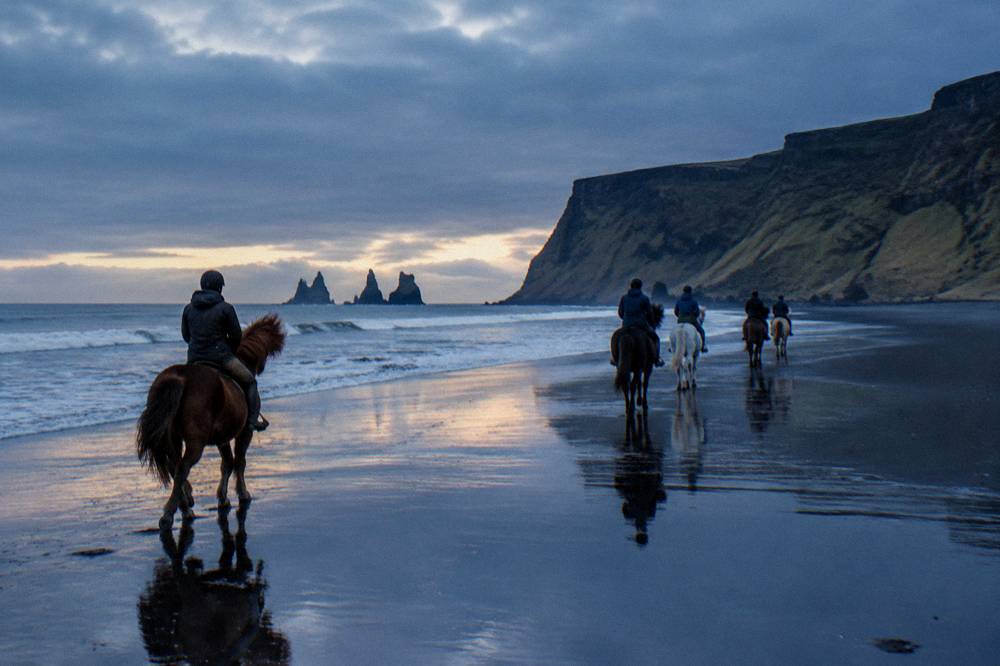
The shoulder seasons have their own case. September to April is the northern lights season, and an evening beach ride under a clear September sky is the combination some visitors plan the whole trip around, though no operator can promise an aurora and none should be asked to. The dedicated northern lights riding guide covers which tours are built around that window and how the Icelandic Met Office's aurora forecast is used. Winter riding, with its short days and honest cold, has its own winter riding guide.
Timing within the day matters as much as the month. Summer departures can run late into the evening because the light allows it, and the listing shows the actual slots for your date. In winter, everything compresses into the middle of the day, so book the earliest slot available if you also want to see Reynisfjara itself in daylight, since the beach's famous basalt columns deserve more than the last grey hour of a four-hour afternoon.
How Far Is Vik From Reykjavik, And How Do You Get To The Rides?
Vik is 186.2 km from central Reykjavik, about 166 minutes of free-flow driving each way, and the Vik Horse Adventure stable sits in the village at Smiðjuvegur 6. There is no pickup from Reykjavik for the Vik rides; the operator notes that most people come in a rental car. Riders without a car can reach the south coast on scheduled day tours that include a ride.
The driving figure comes from routing measurements between central Reykjavik and Vik, and the operator itself describes the journey as around 3 hours, which matches. That distance is the single biggest factor in the Vik-versus-Reykjavik decision: the cheapest ride in the country is not cheap once you add a day of fuel and driving. Petrol in Iceland has recently run around 253 to 287 ISK per litre, so the round trip adds a real cost on top of the $126 ride price.
| From | To Vik | Distance | Free-flow time |
|---|---|---|---|
| Central Reykjavik | Vik village | 186.2 km | 166 min |
| Keflavik airport | Vik village | 228.5 km | 207 min |
| Reykjavik | Hveragerdi (Eldhestar area) | 44.9 km | 43 min |
The third row is there for contrast. The Eldhestar stable at Hveragerdi, with its Siggi ride from $135 and its one-hour Countryside Charm ride from $95, is a 43-minute drive from Reykjavik, and the countryside rides guide covers every stable you can reach in under an hour. If black sand is the specific goal, the drive to Vik is the price of admission; if any Icelandic ride will do, the closer stables save most of a day.
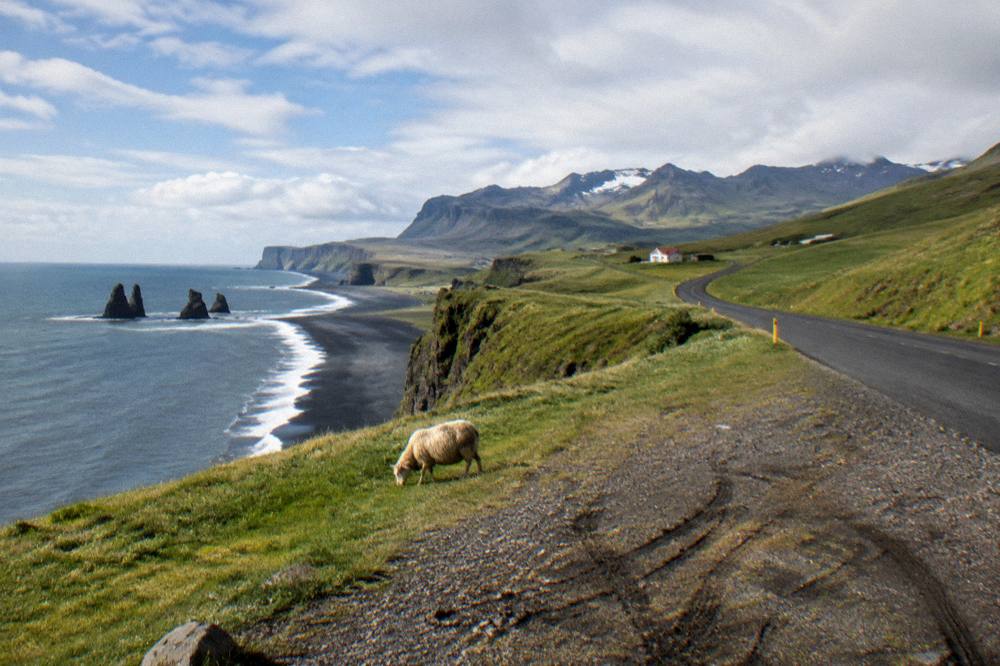
The Ring Road near Vik and Reynisfjara is generally maintained year-round, though winter ice and wind call for caution, per the regional road summary. Check the road and weather forecasts the morning of your ride in any season between October and April, because the same storms that make the beach dramatic make the drive there slow. Riders without a rental car should look at the car-free access guide, which sets out the bus options and the day-tour formats that reach the south coast.
One practical note on arrival: the stable address is in the village, not at Reynisfjara, so set your navigation to Smiðjuvegur 6 in Vik rather than to the beach car park. Arrive early enough for the helmet fitting and the short safety demonstration the operator runs before every departure; the 5-minute briefing is part of the hour, not extra to it, and late arrivals can lose their slot.
What Should You Wear For A Beach Ride Near Vik?
Wear warm layered clothing, waterproof outer layers and sturdy shoes, because the south coast is the wettest riding region in Iceland and the beach is exposed to ocean wind in every month. The operators supply the riding-specific gear: Vik Horse Adventure fits helmets on site, and the Reykjavik-area stables lend overalls, rain gear and rubber boots, so you do not need to bring riding clothes.
The layering advice is not boilerplate here. With Vik recording more than 200 mm of rain in its wettest months and highs that never exceed about 13 C even in July, a beach ride is a wind-and-moisture experience first and a riding experience second. Jeans are a poor choice in persistent rain; synthetic layers under a real waterproof shell work far better. The full packing logic, including what the biosecurity rules mean for bringing your own riding gear into Iceland, is in the what to wear guide.
The biosecurity point deserves a mention because riders with their own gear often trip over it. Iceland's veterinary authority prohibits importing used riding equipment and used riding gloves outright, and used riding clothes and boots must be machine washed or dry cleaned before entry. The rules exist because Icelandic horses are not vaccinated and the population's disease-free status depends on that border discipline. Bringing your own saddle or gloves is not a shortcut; it is a prohibited import.
| Item | Bring your own? | Why |
|---|---|---|
| Helmet | No | Fitted by the operator at check-in |
| Waterproof shell and trousers | Yes | South coast rain exceeds Reykjavik's every month |
| Warm base and mid layers | Yes | Highs stay near 13 C even in July at Vik |
| Sturdy closed shoes | Yes | Sand is soft but the walk to the stable is not |
| Riding gloves (used) | Never | Prohibited import under Iceland's biosecurity rules |
| Used saddles, bridles, whips | Never | Strictly prohibited imports |
Gloves are the one item where the rules pinch hardest: used riding gloves are banned outright, so either buy new gloves sealed in packaging or use what the operator provides. The Reykjavik-area stables that lend gloves, rain clothes and boots set the pattern, and the beach operators follow the same supply model for helmets and outer layers. The short version: turn up warm and dry-able, and let the stable handle the rest.
For photographs, one last tip that riders appreciate afterwards: dark sand reflects light strangely, and a wet black beach in low contrast grey needs a flash or a bright hour more than most landscapes. The evening summer slots, with the sun still up at 10 pm in June, give the best light of the day, which is one more quiet argument for the June booking if your dates allow it.
Common Questions About Black Sand Beach Horse Riding Near Vik
Is Reynisfjara a black sand beach in Iceland?
Yes. Reynisfjara is a black sand beach a few minutes west of Vik, beneath the Reynisdrangar sea stacks. It is separate from Vikurfjara, the black sand beside Vik village where the 1-hour riding tours depart, and the two are often confused in searches.
Can you ride horses on the beach at Vik?
Yes. Vik Horse Adventure runs a 1-hour Black Beach Riding Tour along Vikurfjara, from $126 per person, rated 4.8 across 571 reviews, departing from its stable at Smiðjuvegur 6 in Vik and available all year.
What is the weight limit for the Vik beach ride?
The Vik Horse Adventure weight limit is 100 kg fully clothed, and the operator reserves the right to weigh riders on site near that limit. The Foss Travel 2-hour beach ride allows 110 kg, and the Saddle Stories rides range from 100 to 110 kg depending on the listing.
How old do you have to be to ride at Vik?
The 1-hour Black Beach Ride takes riders from age 10. The 30-minute family ride drops the minimum to 6 years, making it the youngest-entry beach product in the area.
Are the beach rides safe for beginners?
Yes, the 1-hour Vik ride is described by its operator as suitable for beginners and experienced riders, moving mostly at walking speed with a tölt attempt only for capable riders. Groups stay on dry sand above the waterline, and the guide sets the pace by the least experienced rider.
Is Vik too far from Reykjavik for a day trip ride?
It is a long day but a doable one: 186.2 km and about 166 minutes of driving each way. Riders who want black sand without the drive can take a Reykjavik-based ride instead, such as the Viking Horses Mjölnir afternoon tour from $179 with pickup, or a south coast day tour that includes a ride.