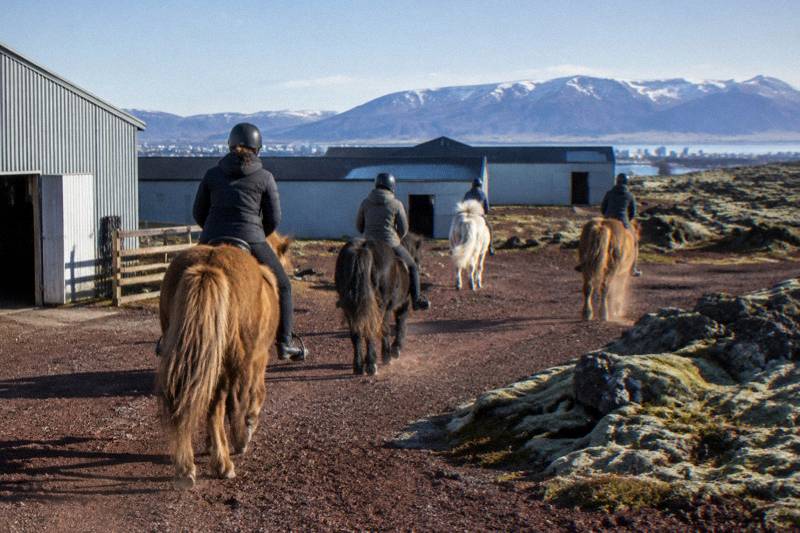
Rider Weight Limits On Icelandic Horse Tours: What Operators Allow
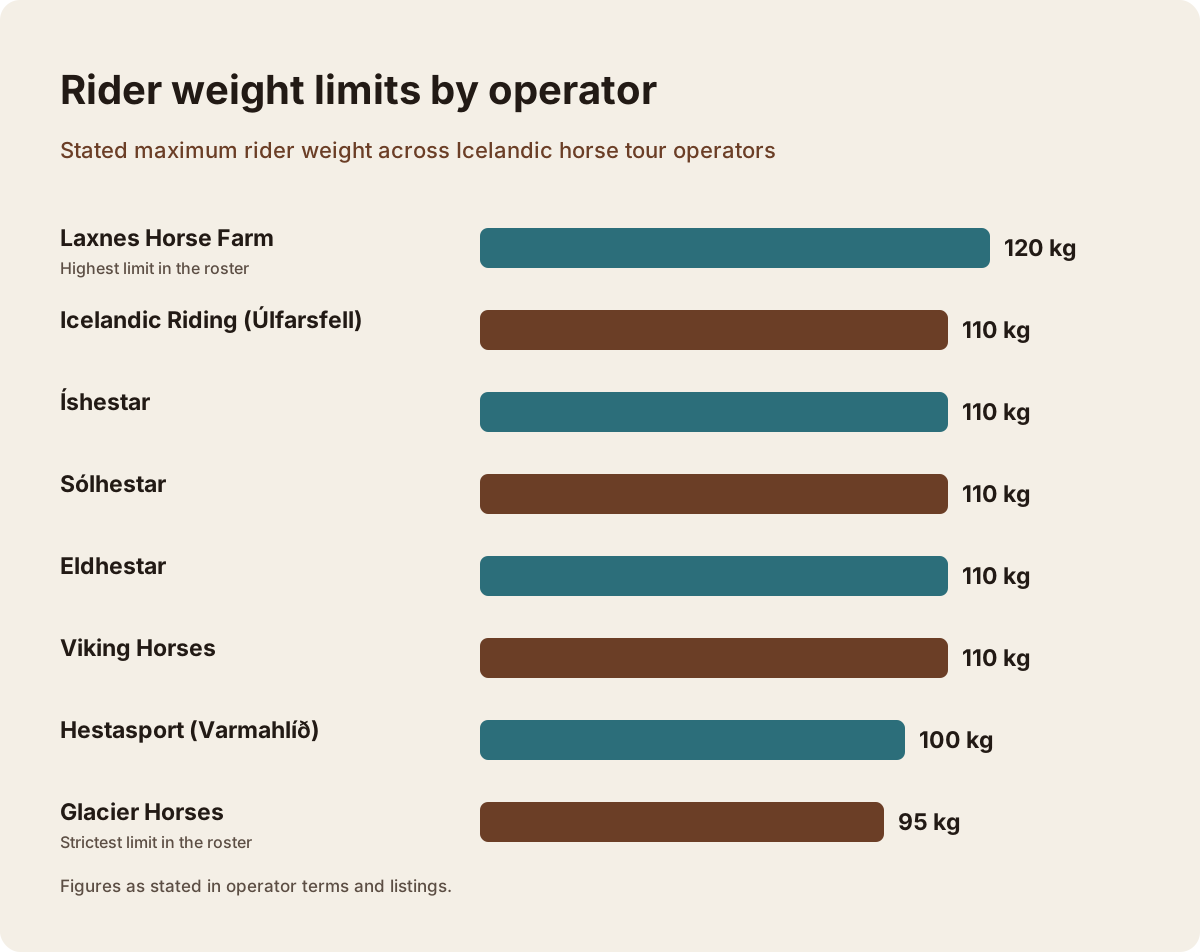
Icelandic horse tours in this roster set rider weight limits between 95 and 120 kg, and most sit at 100 to 110 kg. The limit is a horse-welfare rule, not a judgment call, and it varies by operator more than by anything else.
Short answer
Yes, there is a weight limit to ride Icelandic horses. Across the operators compared here the limits run from 95 kg to 120 kg, with most at 100 to 110 kg. Laxnes Horse Farm allows up to 120 kg, the highest in the roster, while several smaller stables cap at 100 kg. The limit is set per operator, so check before booking.
Icelandic horses are small, sturdy animals bred for endurance rather than load. Across the 30 tours compared on this site, the stated limits run from 95 kg to 120 kg, and most operators land at 100 to 110 kg. Laxnes Horse Farm, whose Laxnes farm ride with pickup is the most weight-tolerant listing in the roster at 120 kg, is the exception rather than the rule. The strictest caps sit at 95 to 100 kg, including the 100 kg limit on the Vik black sand ride and the Sturlureykir Viking ride near Reykholt.
This matters before you book, not after. A rider who arrives at the stable over the operator's limit can be turned away on the spot, and the cancellation policies rarely refund a same-day refusal. The numbers below come from each operator's own published terms and from the tour listings themselves, so you can match yourself to a stable before you spend anything. Where a figure is not stated, that is noted too.
Is There A Weight Limit To Ride Icelandic Horses?
Yes. The limits range from 95 kg at the strictest small stables to 120 kg at Laxnes Horse Farm, and the majority sit at 100 kg or 110 kg. The limit protects the horse first and the rider second, and it is enforced at check-in, sometimes with a scale. There is no single national rule, each stable sets its own.
The reason is partly the horse itself. The Icelandic breed stands roughly 130 to over 150 cm at the withers, averaging 142 cm in breeding evaluation according to Horses of Iceland, so it is a small horse by saddle-horse standards. What it lacks in height it makes up in bone and carrying ability, but a small frame still has a finite safe load, and a tourist ride horse carries that load several times a day, year-round. Operators therefore publish a hard ceiling rather than a sliding scale.
The ceiling also shifts with the tour. A 30-minute waterfall photo ride in the north, listed from $86 per person, asks less of a horse than a 3-hour beach ride, and some operators reflect that in their terms. The Icelandic Riding private tours are a good example: the private Úlfarsfell ride from Reykjavík accepts riders up to 110 kg, while the private Lake Hafravatn ride, a longer 3-hour route, states 105 kg. Same operator, same horses, different limit by tour length.
The 110 kg cap is the most common single figure. It covers the Sólhestar red lava ride from $140 per person, the Íshestar lava field ride from $129, the Eldhestar Siggi ride from $135, and the Viking Horses Mjölnir afternoon ride from $179, among many others. If you are under 110 kg fully dressed, most of the market is open to you.
| Operator | Stated rider weight limit | Where it appears |
|---|---|---|
| Laxnes Horse Farm | 120 kg | Operator FAQ and listing terms |
| Icelandic Riding (Úlfarsfell private ride) | 110 kg | Listing terms |
| Icelandic Riding (Lake Hafravatn private ride) | 105 kg | Listing terms |
| Íshestar | 110 kg | Operator FAQ and listing terms |
| Sólhestar | 110 kg | Operator site |
| Eldhestar | 110 kg | Operator FAQ |
| Viking Horses | 110 kg | Operator terms |
| Hestasport (Varmahlíð) | 100 kg | Operator tour page |
| Sturlureykir Horse Farm | 100 kg | Listing terms |
| Saddle Stories (Reynisfjara and Írafoss rides) | 100 kg | Listing terms |
| Saddle Stories (South Iceland beach ride) | 110 kg | Listing terms |
| Vik Horse Adventure | 100 kg fully clothed | Operator terms |
| Glacier Horses | 95 kg | Operator FAQ |
What Is The Weight Limit To Ride An Icelandic Horse?
The most common limit is 110 kg, and the full range across this roster is 95 to 120 kg. Laxnes Horse Farm holds the top end at 120 kg, roughly a dozen operators sit at 110 kg, and the south coast and north Iceland stables mostly cap at 100 kg. One small operator, Glacier Horses, states 95 kg. Always read the specific tour's terms, the number can change between tours at the same farm.
Reading the roster by price and limit together tells a heavier rider where to start. The Laxnes farm ride with pickup, from $166 per person and rated 4.8 across 901 reviews, runs about 3 hours 30 minutes door to door and accepts 120 kg, which makes it the strongest single choice for a rider near that weight. It is also one of the most reviewed rides in the country, so the limit is well tested by real bookings rather than buried in fine print.
At 110 kg the choice widens a lot. The Sólhestar red lava ride from $140, rated 4.8 across 2,789 reviews, is the most reviewed ride in the entire roster and the single most booked lava field experience near Reykjavík. The Íshestar lava field ride from $129, rated 4.8 across 1,989 reviews, covers the same ground on a flexible 2 to 4.5 hour format. Both include pickup options, which matters if you have no car.
The 100 kg tier is where the south coast and the north live. The Vik Horse Adventure black sand ride, from $126 per person and rated 4.8 across 571 reviews, is a 1-hour beach ride that accepts riders to 100 kg fully clothed. The Hestasport Viking ride in Skagafjörður, from $118 and rated 4.9 across 223 reviews, matches that 100 kg cap. These are excellent rides, just with a tighter door.
One more layer: the limit is on you plus your clothes, not on you alone. Vik Horse Adventure states its 100 kg limit as "fully clothed", and the operator reserves the right to weigh riders on site. In Icelandic winter gear, a heavy overall, boots and a helmet can add several kilograms to what the scale reads, so a rider who sits just under the limit in summer clothes might arrive over it dressed for winter. Plan against your dressed weight.
| Tour (roster listing) | Limit | Duration | From (per person) | Rating and reviews |
|---|---|---|---|---|
| Laxnes farm ride with pickup | 120 kg | ~3 h 30 m | $166 | 4.8, 901 reviews |
| Sólhestar red lava ride | 110 kg | ~2.5 h | $140 | 4.8, 2,789 reviews |
| Íshestar lava field ride | 110 kg | ~2 to 4.5 h | $129 | 4.8, 1,989 reviews |
| Viking Horses Mjölnir afternoon ride | 110 kg | ~3 h | $179 | 4.2, 33 reviews |
| Eldhestar countryside charm ride | 110 kg | ~1 h | $95 | 4.8, 50 reviews |
| Vik Horse Adventure black sand ride | 100 kg fully clothed | ~1 h | $126 | 4.8, 571 reviews |
| Hestasport Viking ride, Varmahlíð | 100 kg | ~1.5 h | $118 | 4.9, 223 reviews |
| Sturlureykir Viking ride, Reykholt | 100 kg | ~1.5 to 2.5 h | $129 | Not enough reviews for a star claim |
| Saddle Stories Reynisfjara beach ride | 100 kg | ~3 h | $292 | 7 reviews, too few for a star claim |
How Heavy Of A Person Can An Icelandic Horse Carry?
An Icelandic horse on a commercial tour typically carries riders up to 100 to 120 kg depending on the operator, which is well within the breed's real capacity. The limiting figure is the operator's welfare policy, not the horse's physical maximum. A rider over 120 kg will not find a listed tour in this roster that accepts them.
The breed's carrying reputation is genuine. Icelandic horses were the only transport in the country for a thousand years, carrying grown adults over lava fields and mountain passes in all weather, and the breed's registries are firm that it is a horse, not a pony, despite the height. Horses of Iceland attributes the horse naming to the breed registries themselves. So the question is never whether a small Icelandic animal can physically move a 110 kg rider, it clearly can, it is whether a commercial operator should ask a horse to do it repeatedly, on a fixed daily schedule, with unfamiliar riders who may not be balanced.
That is where the operator terms come from. The Laxnes FAQ, which allows 120 kg, frames its limit plainly as a welfare rule. Eldhestar states 110 kg in the same breath as its horse-care pages. Glacier Horses, at 95 kg, is simply a smaller operation with smaller horses and a stricter margin. None of these are arbitrary, and none are negotiable at the gate.
For a rider between 110 and 120 kg, the practical answer is: Laxnes, and almost nobody else. The Laxnes farm ride is a 3.5 hour tour from $166, with pickup from central Reykjavik hotels on a timetable the operator publishes. Riders in the 100 to 110 kg band have the widest choice, from the Reykjavík lava rides to the Golden Circle and horse riding day tour from $223, which carries a 120 kg limit and stretches to 11 hours with pickup included. That day tour, rated 4.7 across 80 reviews, is worth a look for heavier riders who want a full day, since it pairs the ride with Þingvellir, Geysir and Gullfoss.
Below 100 kg dressed, everything in the roster is open, including the strictest small-group rides. The private Gásir ride near Akureyri, from $126 and rated 5.0 across 19 reviews, and the Finnsstaðir private ride in the east from $247, publish no weight limit at all in their listings, which means the conversation happens at booking, not in the terms. Ask the operator directly in that case rather than assuming the default.
Can A 300 Lb Person Ride A Horse?
A 300 lb person is above every published limit in this roster, including Laxnes at 120 kg, the most generous door in the market compared here. No Icelandic horse tour listed here states a ceiling that high. A rider at 300 lb should call operators directly before booking, but should expect a no from the standard tourist rides.
The boundary is not close, either. The most generous ceiling in the roster, Laxnes at 120 kg, sits below 300 lb. This is not an Iceland-specific harshness, it is close to the universal commercial riding standard worldwide, and it exists because tour horses work daily. More of these guides are collected on Iceland Horse Tours.
What actually happens if you book anyway? Most operators ask for your weight at booking or at check-in, and some weigh riders on site. Vik Horse Adventure's terms state the 100 kg limit fully clothed and reserve the right to weigh riders near the limit, and other stables operate the same way informally. A rider refused at the stable usually loses the fare, because the refusal is a welfare decision the operator published in advance. That is the worst possible place to discover the limit, which is the entire reason this guide exists.
There is no honest upsell here: no listing in this roster takes a rider at that weight, and pretending otherwise would just cost someone a booking fee. The constructive path is a direct conversation with an operator before you travel, since private arrangements outside the listed tours sometimes have different margins. But do not book a standard listed ride at that weight and hope.
For riders just under the line, the Laxnes 120 kg limit is the one to know about. It is printed in the operator's own FAQ, it applies to the Laxnes farm ride with pickup, and the tour supplies boots, helmets and rain gear so you are not adding your own heavy equipment to the scale. Pickup runs from central Reykjavik or nearby hotels on the operator's timetable.
What Is The 20% Rule For Horses?
The 20% rule says a ridden horse should carry no more than about 20% of its own body weight, rider plus tack combined. For a typical Icelandic tour horse, that works out to roughly the same 100 to 120 kg ceilings the operators already publish. The rule is a welfare guideline from general equine research, not an Icelandic law.
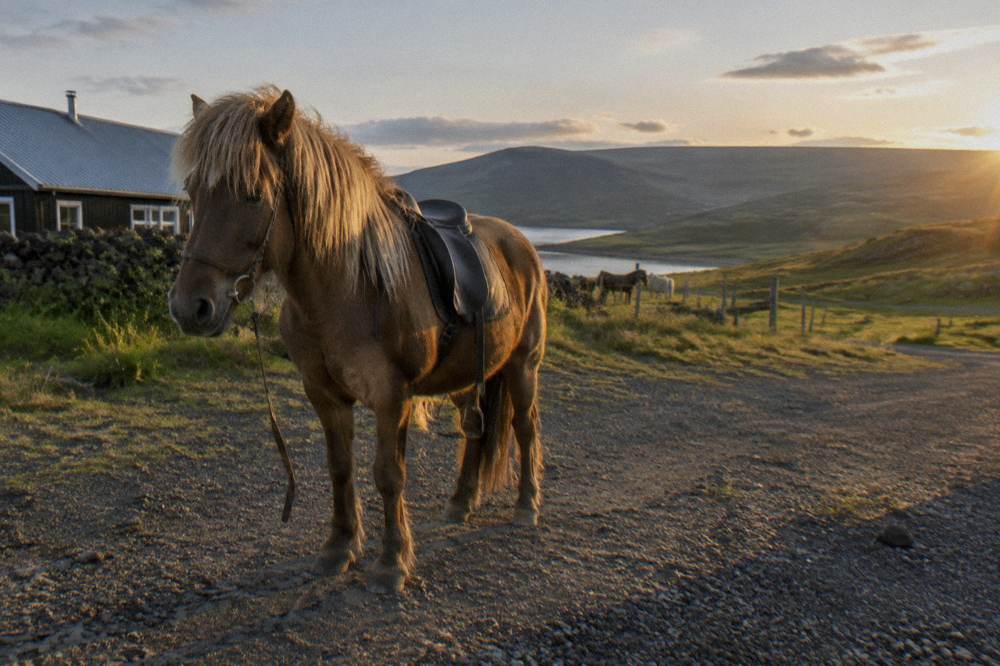
Run the arithmetic and the operator limits stop looking arbitrary. Take twenty percent of a typical adult Icelandic horse's body weight, subtract the saddle, pads and stirrups that are on the horse before any rider climbs on, and the comfortable ceiling lands in the same 95 to 120 kg band the stables publish. The operators are not being fussy, they are applying a version of the same arithmetic with their own horses in front of them.
The rider is only part of the load. A saddle, saddle pads and stirrups add a fixed weight before the rider climbs on, and in Iceland the rider often adds a heavy overall, a helmet and rubber boots supplied by the stable. That is why the strictest operators state the limit fully clothed, and why a rider who is just under the limit at home can be over it at the stable. The fixed tack weight is also why a private ride with a lighter saddle can sometimes accept more than a group tour, and why the two Icelandic Riding private rides differ, 110 kg on the shorter Úlfarsfell route and 105 kg on the longer Lake Hafravatn route.
| Stated limit | Listings in this roster | Example operators |
|---|---|---|
| 120 kg | 2 | Laxnes farm ride, Golden Circle and horse riding day tour |
| 110 kg | 16 | Sólhestar, Íshestar, Eldhestar, Viking Horses, Icelandic Riding (Úlfarsfell), Foss Travel, Saddle Stories (south beach ride) |
| 105 kg | 1 | Icelandic Riding (Lake Hafravatn private ride) |
| 100 kg | 5 | Vik Horse Adventure, Hestasport, Sturlureykir, Saddle Stories (Reynisfjara, Írafoss) |
| 95 kg | 1 | Glacier Horses |
| No limit stated in listing | 5 | AK Hestaferdir, Stable Stop, Hestasport waterfall photo ride, Finnsstaðir |
The table counts listings, and the operators' own published limits remain the binding numbers. What the spread shows is that the whole market is applying the same welfare logic with slightly different margins, so a limit is not a comment on you, it is a comment on the horse.
How Does Weighing Work At The Stable?
Most stables ask your weight at booking, and some weigh riders on site when you are near the limit. Vik Horse Adventure states plainly that it may weigh riders, and others do the same informally at check-in. Be honest at booking, a false number just moves the refusal to the stable yard.
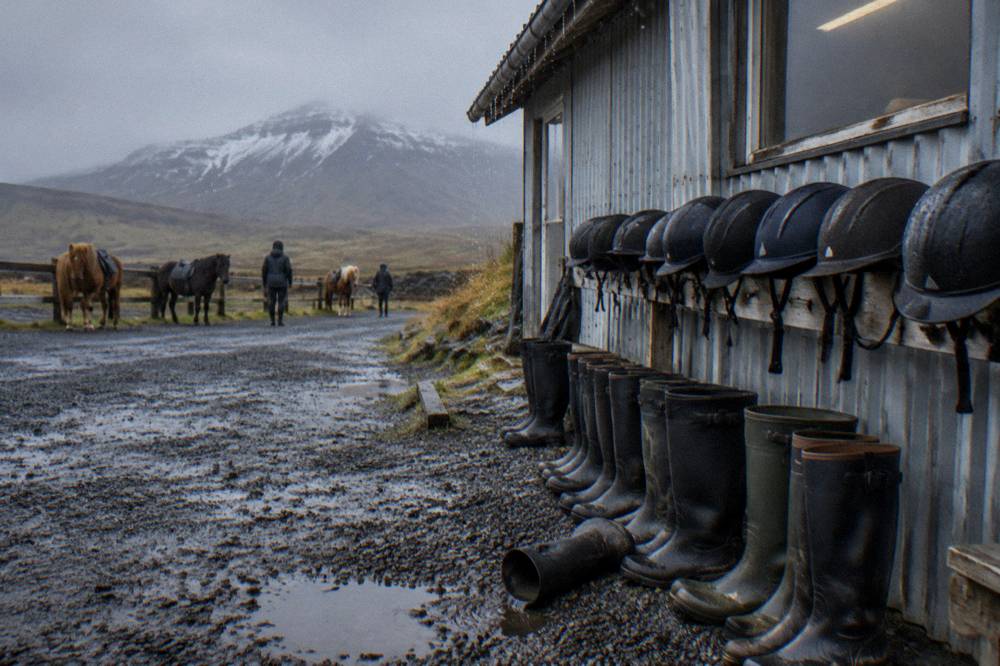
The check-in sequence at a typical Icelandic stable goes: sign in, state or confirm your weight and riding experience, get fitted with a helmet, and receive rubber boots and a rain overall or snowsuit. The helmet fitting at Sólhestar happens at check-in, and the same pattern repeats at Laxnes, Íshestar and Eldhestar, all of which supply the outer gear. Once you are dressed, the stable has a good visual read on size, and a guide who is unsure will ask directly or use a scale.
The reason honesty pays is the group assignment. Stables match riders to horses by weight, height and experience, and a heavier rider is typically given a taller, broader horse, not turned away. The refusal only happens at or over the hard limit. A rider who states their true weight gets a suitable horse; a rider who understates it creates a problem the guide has to solve in front of a full tour group.
One biosecurity note belongs here because it touches the same check-in moment: Iceland's veterinary authority, MAST, prohibits used riding equipment and used riding gloves outright, and requires used riding clothes and boots to be machine washed or dry cleaned before entering the country. Since the stables supply helmets, boots and outer layers, the simplest path is to wear freshly laundered everyday clothes and use the stable's gear. The rules exist because Icelandic horses are not vaccinated against several diseases common abroad, and a horse that leaves Iceland can never return, as Horses of Iceland explains. MAST states the import ban and cleaning requirements on its riding equipment page.
What Should You Do If You Are Over An Operator's Limit?
Match yourself to a 120 kg or 110 kg operator before booking, ask the operator directly in borderline cases, and never book a 100 kg ride hoping it slides. If no listed tour fits, a direct call to a private operator is the only honest route, and the answer may still be no.
The practical order of operations: first, weigh yourself dressed in the clothes you would ride in, not in gym kit. Second, check the limit on the specific listing, remembering that the same farm can run different limits on different tours. Third, if you are close to the ceiling, email the operator before booking and ask, because borderline cases are exactly what operators handle by conversation. Viking Horses, for instance, states 110 kg across its tours and answers pre-booking questions by email as its terms require cancellations in writing.
| Your dressed weight | Roster options that fit | Notes |
|---|---|---|
| Under 100 kg | Everything in the roster | Widest choice, including Vik, Hestasport and Sturlureykir |
| 100 to 110 kg | All 110 kg and 120 kg operators | Includes Íshestar, Sólhestar, Eldhestar, Viking Horses, Laxnes |
| 110 to 120 kg | Laxnes farm ride, 120 kg | Also the Golden Circle and horse riding day tour at 120 kg |
| Over 120 kg | None in this roster | Ask private operators directly before travelling |
Two roster listings deserve a special note for heavier riders planning a bigger day. The Golden Circle and horse riding day tour from $223 carries the 120 kg limit across an 11-hour itinerary with pickup, rated 4.7 across 80 reviews. And the Laxnes farm ride pairs its 120 kg ceiling with a 3.5 hour format that includes a relaxed pace, supplied gear and hotel pickup, from $166 per person. Both are workable for a rider close to the 120 kg line, which is a rare sentence in this market.
For everything else, the honest summary is that the limits are real, published and enforced, and the best protection is reading them before you pay. The site's broader comparison of Icelandic horse riding tours sorts the whole roster, the guide to horseback riding in Iceland for beginners covers the first-ride questions that usually accompany this one, and the breakdown of what horse riding in Iceland costs handles the budget side. If you are still weighing which region suits you, the guide on how to choose a horse riding tour in Iceland walks through it by area and ride type.
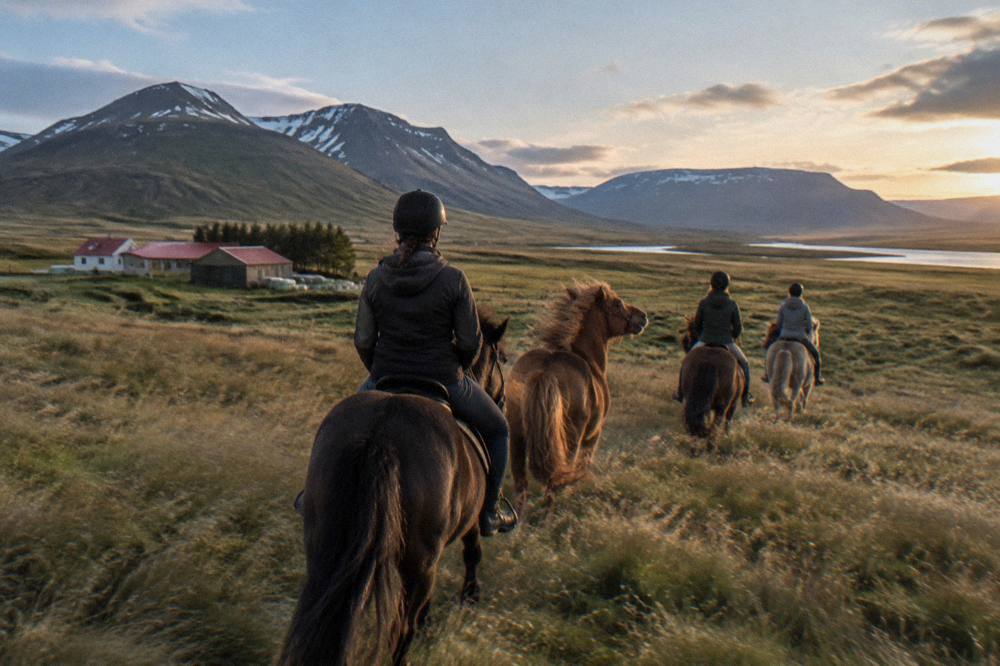
The short version of all of this: 95 to 120 kg is the whole range, 110 kg is the default, Laxnes is the high-water mark, and every number above comes from the operators' own terms. Check the specific listing before you book, state your real weight when asked, and weigh yourself in the clothes you will actually wear. The horse you are matched to depends on it.
Common Questions About Rider Weight Limits
is there a weight limit to ride icelandic horses?
Yes. Stated limits range from 95 kg at Glacier Horses to 120 kg at Laxnes Horse Farm, with most stables at 100 or 110 kg. The limit applies to you plus your clothes, and some operators weigh riders near the ceiling.
What is the weight limit to ride an Icelandic horse?
The most common limit is 110 kg, held by Íshestar, Sólhestar, Eldhestar and Viking Horses among others. Laxnes allows 120 kg, the highest stated limit in the roster. South coast and north Iceland stables mostly cap at 100 kg, and Glacier Horses states 95 kg.
How heavy of a person can an Icelandic horse carry?
On commercial tours, up to 120 kg, which is Laxnes Horse Farm's stated maximum. The breed's physical capacity is higher than the commercial limits, but operators set ceilings for horse welfare on daily tour schedules, not for what a horse can move once.
Can a 300 lb person ride a horse?
Not on any tour in this roster. A 300 lb rider is above every published limit, including the 120 kg Laxnes maximum. A rider at that weight should contact private operators directly before travelling, but should expect the standard tourist rides to decline.
What is the 20% rule for horses?
It is a welfare guideline that a ridden horse should carry no more than about 20% of its own body weight, counting rider, tack and clothes together. Applied to a typical Icelandic tour horse, it produces ceilings very close to the 95 to 120 kg limits the operators already publish.
Do stables actually weigh riders?
Some do. Vik Horse Adventure states it may weigh riders on site, and other stables ask your weight at booking and make a visual check at gear fitting. Stating your true weight at booking gets you a suitable horse; an understated number just moves any problem to the stable yard.