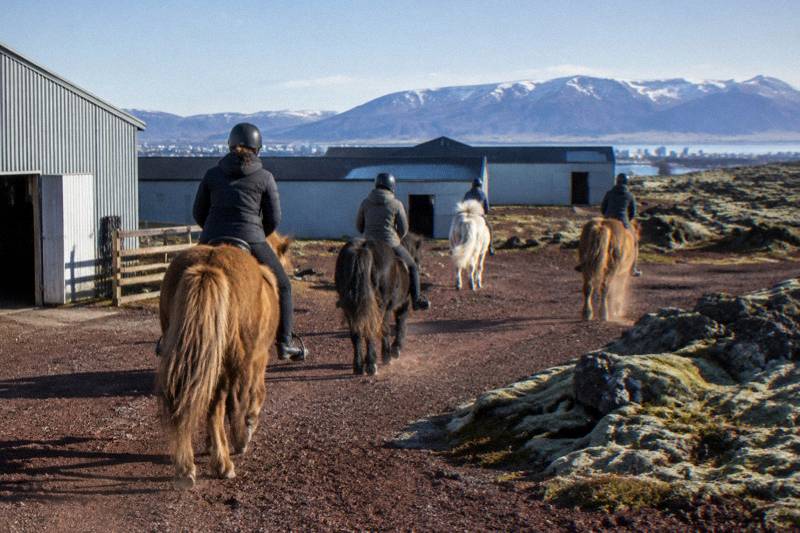
Is 60 Too Old To Ride A Horse?
No Icelandic riding stable sets a maximum rider age, and riders in their sixties book short tours every week. What the operators' own policies, weight limits and ride lengths mean for a first ride after 60.
Is 60 Too Old To Ride A Horse?
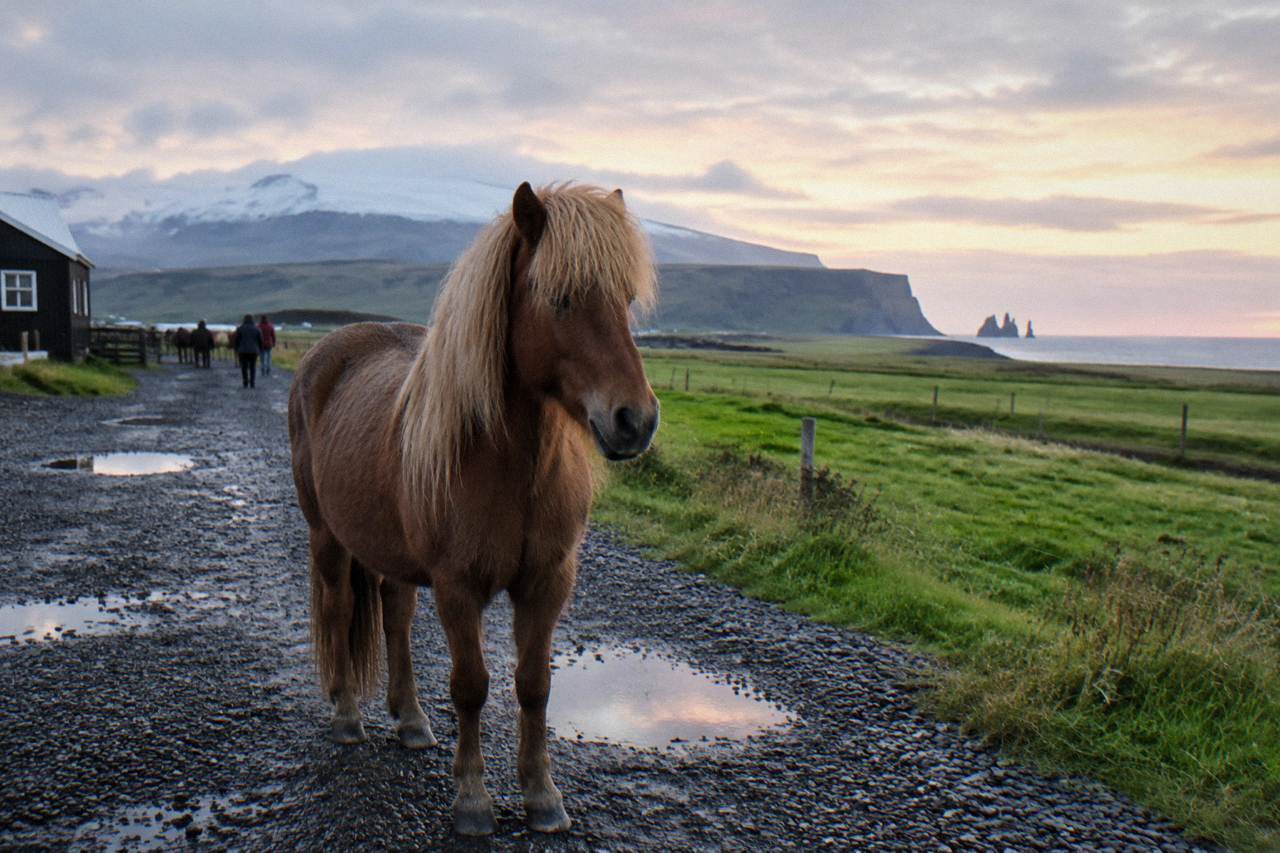
No stable in Iceland sets a maximum rider age, and none of the operators we compared lists 60, or any age above it, as a barrier. The policies that do exist cut the other way: minimum ages for children, weight limits that top out at 120 kg, and tour descriptions graded by experience rather than birth year. Plenty of riders in their sixties book the short tours around Reykjavik every week.
That is the honest headline, but it deserves unpacking, because "not too old" is not the same as "same as at 25". A body at 60 recovers differently from a body at 25. Balance reacts a fraction slower, joints complain about cold and about mounting, and a first trot after thirty years off horses can leave muscles you forgot you owned. None of that stops the ride. It just changes which ride you should book, and how you prepare for it.
The Icelandic roster is unusually friendly to this decision. The breed itself is part of the reason: the registries insist on calling it a horse rather than a pony, and it is famous for the tölt, a four-beat lateral gait with no suspension phase, which the breed association describes as smooth to ride. A gait with no moment of suspension is a gait that does not bounce you out of the saddle. For a rider whose lower back has opinions, that matters more than any number on a birth certificate.
The roster's structure helps too. Ride lengths run from 30 minutes to around 3 hours in the saddle on day tours, so a cautious first booking does not commit you to a full day. The Íshestar Comfort Ride is about 50 minutes, rated 4.9 across 106 reviews, from $128 per person. The Foss Travel black beach ride runs about 2 hours, rated 4.8 across 108 reviews, from $185. Shorter still, the Hestasport waterfall photo ride in the north is 30 minutes, from $86. The point is that the market has already built the gentle on-ramp; you only have to choose it.
What Do The Stables Actually Say About Age?
Every operator policy we checked regulates the young, not the old. Íshestar sets minimums of 7 on its lava tour and 12 on the longer Viking tour. Eldhestar starts at 7 on half-day rides, Viking Horses asks 10 for beginners, and Vík Horse Adventure sets 10 on its one-hour beach ride. Not one stable publishes a maximum rider age. The ceiling that exists is a weight limit, 95 to 120 kg depending on the operator.
This is worth stating plainly because the fear is usually plain: people worry that a booking form will reject them, or that a guide will look at them sideways at the stable gate. Neither happens on the evidence of the published policies. The stables grade by experience and by weight, because those are the two things that affect the horse and the group. Age, on its own, appears nowhere in the rules.
| Operator | Weight limit stated | Minimum age stated | Notes from the operator's own policy |
|---|---|---|---|
| Íshestar | 110 kg | Lava tour 7, Viking tour 12 | Lava tour open to beginners and intermediate riders |
| Eldhestar | 110 kg | 7 on half-day rides, 10 to 12 on longer tours | Paddock rides offered for younger children |
| Laxnes Horse Farm | 120 kg | 7 on the Laxnes special | Exceptions possible with prior riding experience |
| Viking Horses | 110 kg | 10 for beginners, 8 for experienced young riders | Volcano tour described as all levels, beginner friendly |
| Sólhestar | 110 kg | 6 on 1-hour tours, 10 at 1.5 hours, 14 at 3 hours plus | Describes its range as first-timers to seasoned equestrians |
| Vík Horse Adventure | 100 kg fully clothed | 10 on the 1-hour beach ride, 6 on the 30-minute family ride | May weigh riders near the limit on site |
Read the weight column honestly, because it is the real gate. Vík Horse Adventure states 100 kg fully clothed and reserves the right to weigh riders near that limit, as its own terms page does. Hestasport in Varmahlíð also states 100 kg. Laxnes is the most generous at 120 kg, and the Golden Circle day tour that includes a Laxnes-style ride also lists 120 kg. If you are near any of these lines, email the operator before booking rather than hoping; the answer is usually about matching you to a bigger, calmer horse, not about turning you away.
Age does interact with one thing: the tour's pace and length. A 60-year-old who has never sat on a horse and a 60-year-old who rode until 45 are two different bookings. The first should be on a 50-minute or 1-hour ride described as beginner friendly. The second can reasonably look at a 2 to 3 hour lava field ride, which Íshestar grades for beginners and intermediate riders. The stables make this distinction themselves, in writing, on every tour page.
Which Rides Suit A Rider Coming Back After Decades?
Start short and flat. The best first bookings in the roster are the Íshestar Comfort Ride at about 50 minutes from $128, the Eldhestar one-hour Countryside Charm ride from $95, and the Íshestar lava field ride at its shorter 2-hour option from $129. All three are graded for beginners or all levels, all three supply helmets and rain gear, and all three sit within an hour of Reykjavik.
The logic is boring and correct: the limiting factor after a long gap is not courage, it is seat fitness. Riding uses a specific set of core and inner-thigh muscles that no gym machine reproduces well, and a 2-hour ride on day one of your riding comeback is a reliable way to discover this. A 50-minute ride teaches you the tölt, the mounting routine and the feel of the horse, then returns you to the stable while everything still hurts only a little.
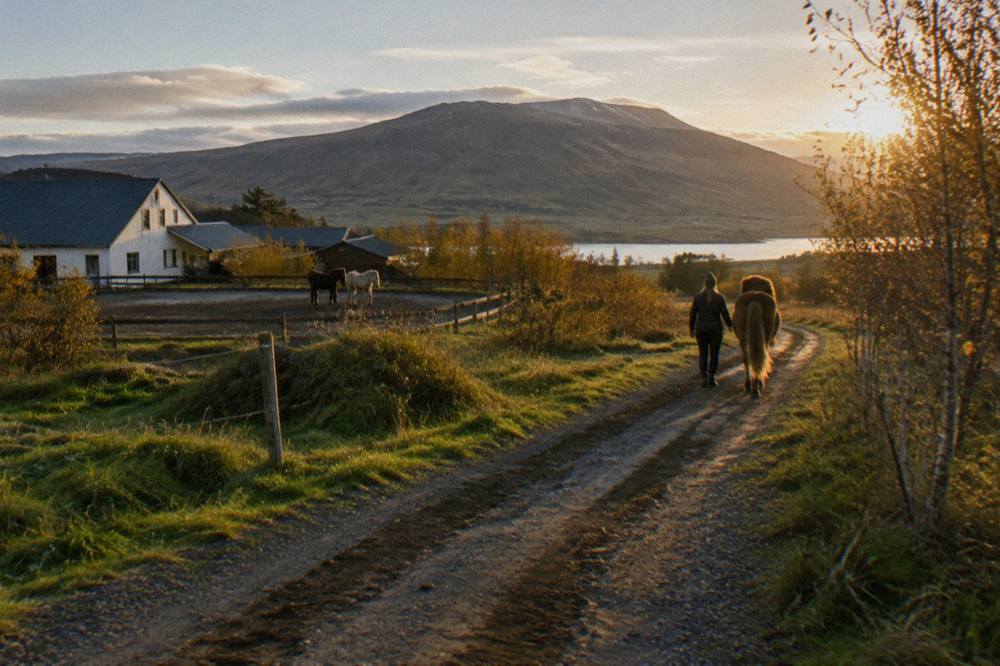
The Comfort Ride is the natural anchor of this list. It is the shortest ride in the Reykjavik area roster, it carries a 4.9 rating across 106 reviews, and its 50-minute format exists precisely for riders who want the experience without the endurance test. Its sibling, the Flexible-Length Lava Field Ride from the same operator, is the step up: the same lava-field scenery near Hafnarfjörður, graded for beginners and intermediate, with a duration that runs roughly 2 to 4.5 hours depending on the option you pick. Booking the short one first and the longer one on a return trip is a perfectly respectable plan.
The Eldhestar Siggi ride deserves a mention for a different reason: it is a 2-hour ride from Hveragerði, from $135, rated 4.5 across 47 reviews, with pickup offered, and Eldhestar's own FAQ describes its half-day rides as suited to all experience levels. Hveragerði is about 43 minutes' drive from central Reykjavik on free-flowing roads, so the pickup matters if you are not renting a car (see Free Reykjavik). And the same town anchors the Sólhestar Hot Spring Valley ride, a 2-hour tour from $140 rated 4.7 across 227 reviews, which some operators pair with the Reykjadalur geothermal valley, a combination our Reykjadalur riding and hot spring hike guide covers in detail.
One more entry point, if the south coast rather than the capital region is your base: the 1-hour Vík black sand beach ride, rated 4.8 across 571 reviews, from $126. Vík Horse Adventure describes it as mostly walking speed with the chance to try tölt for capable riders, which is about as controlled as a first ride gets, on a beach backdrop that no other country can offer.
How Hard Is Riding On A Body After 60?
Riding after 60 is a fitness question, not an age question. The honest risks are soreness after the first rides, stiffness mounting and dismounting, and balance reacting more slowly to a stumble. The honest mitigations are a short first tour, a mounting block, warm layers, and telling the guide your experience level so you get a calm horse. None of these risks is specific to 60, and all of them are manageable.
We have written in more detail about whether horseback riding is hard on your body, and the short version is that the body's complaints are muscular and short-lived rather than structural. The first ride after a long gap produces the classic set: inner thighs, hip flexors, and a general feeling of having been gently beaten. Riders report this at every adult age with equal reliability. It fades within two or three days and largely disappears once you have a handful of rides in your legs.
The balance point is more genuine at 60 than at 25, and it argues for the specific structure of Icelandic day tours rather than against riding. These rides are led, nose-to-tail affairs on quiet horses, not open canters. Vík Horse Adventure's own description of its beach tour, mostly walking with optional tölt, is representative of how the short tours are paced. A guide sets the speed, the horses follow the horse in front, and nobody is asked to do anything sudden. That format asks for stability, not athleticism.
Mounting is the one mechanical moment worth planning. Every stable in the roster uses a mounting block or platform, and if your knees would rather not hear about swinging a leg over at height, say so at check-in; the staff do this daily and will hold the horse and steady you without ceremony. Dismounting the other end is the same conversation. None of the published policies treat this as an age issue, because it is not one; plenty of 40-year-olds ask for the same help.
Why The Tölt Matters For An Older Rider
The Icelandic horse's fifth gait is the single best argument for making your comeback ride here. Tölt is a four-beat lateral gait with no suspension phase, meaning there is no moment where the horse is airborne and drops you back into the saddle. The breed association calls it the gait the breed is best known for. For a rider protecting a back or a hip, it is the difference between gliding and bouncing.
Most riding destinations offer walk, trot and canter, and the trot is where older bodies pay. Trotting is a two-beat gait with suspension: the horse leaves the ground, and you absorb the landing through your seat, either by rising in rhythm or by gripping through it. Rising trot is a learned, athletic skill that decays fast off horses. This is the gait that makes people conclude they are too old to ride.
The Icelandic alternative sidesteps that conclusion. Because tölt has no suspension, the rider stays seated and the back stays quiet. The breed association's own gaits page describes it as smooth, and notes that most Icelandic horses are five-gaited, with tölt and flying pace added to walk, trot and canter. Flying pace, a two-beat racing gait over 100 to 250 meters, is for experienced riders and is not something a day tour will ask of you. Tölt is.
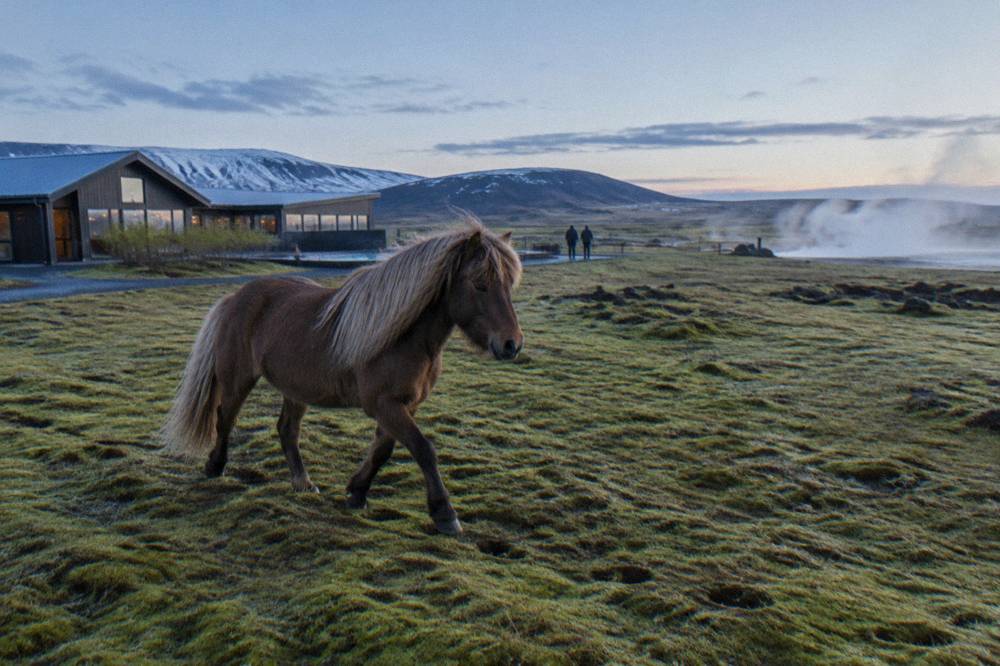
On a beginner-graded tour, the sequence usually goes: walk, then a short stretch of tölt when the guide judges the group ready, then back to walk. Riders describe the first tölt as the moment the breed makes sense, a fast, rolling, armchair-smooth gear that feels like sitting in a moving chair. If you want the full picture of the gait, our guide to tölt and the Icelandic horse breaks down the footfall pattern, but the practical summary for a returning rider is simple: the breed's signature gait is the one that spares your spine.
What Should You Sort Out Before Booking A Ride At 60?
Three things, in order: be honest about your weight against the operator's limit, be honest about your experience level when the tour page asks, and arrive in clothes that can be washed, because Iceland's biosecurity rules are strict about used riding gear. Used gloves and used leather equipment are prohibited outright, and used riding clothes and boots must be machine washed or dry cleaned before you bring them near an Icelandic horse.
The weight check comes first because it is the only published number that can end a booking. Find the limit on the tour page, weigh yourself with clothes on, and if you are within a few kilograms of the line, email the operator before paying. Ask the operator, never assume a borderline case will be waved through: Vík Horse Adventure reserves the right to weigh riders on site, and Hestasport's Viking ride in Varmahlíð states 100 kg plainly. Laxnes at 120 kg is the roomiest option in the roster.
The experience question is a form field, not a judgment. Tour pages ask whether you are a beginner, and the answer routes you to the right horse. A calm, wide, experienced horse carries the nervous and the returning; a forward-going horse carries the confident. Saying "I rode as a teenager, nothing since" is the single most useful sentence you can give a stable.
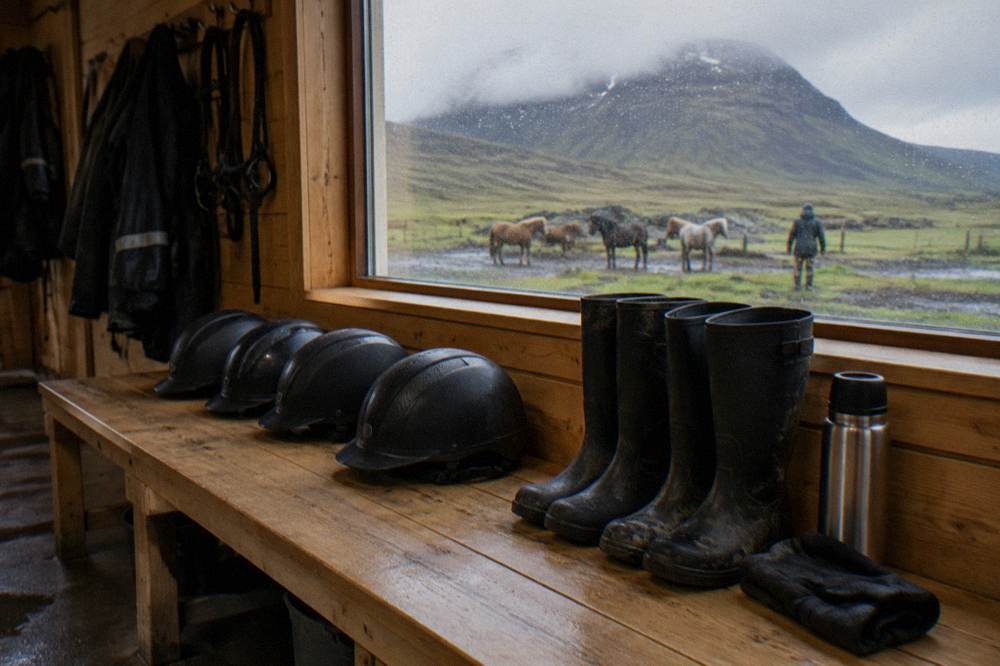
The clothes question is uniquely Icelandic and catches visitors off guard. The Icelandic Food and Veterinary Authority explains the reasoning: Icelandic horses are not vaccinated and are susceptible to infectious agents from abroad, so used riding gloves and used leather gear like saddles, bridles and whips are strictly prohibited from import, and used riding clothes and boots must be washed in a machine or dry cleaned before entry. Items that cannot be washed must be rinsed with detergent, dried, sprayed with a 2% VirkonS solution and stored at least 5 days before contact with Icelandic horses. The practical shortcut: bring ordinary clean outdoor clothing washed before your flight, and borrow the helmet, overalls, rain gear and rubber boots the stables supply. Íshestar, Eldhestar and Laxnes all state they provide this gear.
The same biosecurity logic explains a rule that surprises first-time visitors: a horse that leaves Iceland can never return, and no equine can enter the country at all, as the breed's association states. The population has been genetically isolated for over a thousand years, descended from settlement-era horses with no subsequent imports. It is why the gear rules are written so firmly, and why borrowing the stable's own equipment is the courteous and correct default.
What Does A Good First Ride After 60 Actually Look Like?
Picture a 50-minute or 1-hour ride on a quiet horse, mostly at walking pace with one short stretch of tölt, a guide in front and a guide behind, and a mounting block at both ends. That ride exists at three price points in this roster: from $95 at Eldhestar, from $128 at Íshestar, and from $126 at Vík. None of it requires youth, only honesty at booking.
The day runs like this. You are picked up in Reykjavik or drive to the stable, you sign in and get fitted for a helmet and boots, the guide matches horses to riders in the yard, and there is a short safety talk before mounting. On the road, the guide sets the pace and calls the gates. At the end you dismount, thank the horse, and hand back the gear. Total commitment: 2 to 3 hours door to door for a ride under an hour in the saddle. It is a morning, not an expedition.
The comparison below is the shortlist we would hand a 60-year-old booking their first or first-in-decades ride. Every row is a real listing with its real roster price and rating pool printed beside it, because a 5.0 from 22 reviews and a 4.8 from 2,789 reviews are different kinds of information.
| Ride | Saddle time | Price | Rating and pool | Why it suits a comeback |
|---|---|---|---|---|
| Íshestar Comfort Ride | ~50 minutes | from $128 per person | 4.9 across 106 reviews | Shortest Reykjavik-area ride, gentle format, gear supplied |
| Eldhestar Countryside Charm | ~1 hour | from $95 per person | 4.8 across 50 reviews | Cheapest entry point, all experience levels, Hveragerði base |
| Vík Horse Adventure black beach | ~1 hour | from $126 per person | 4.8 across 571 reviews | Walking pace with optional tölt, dramatic beach setting |
| Sólhestar Red Lava Ride | ~2.5 hours | from $140 per person | 4.8 across 2,789 reviews | Most-reviewed ride in the roster, open to first-timers |
| Íshestar lava field ride | ~2 to 4.5 hours | from $129 per person | 4.8 across 1,989 reviews | The step-up option once the short ride feels easy |
Note what the table quietly demonstrates: the two most-reviewed rides in the entire roster, the Sólhestar Red Lava ride with 2,789 reviews and the Íshestar lava field ride with 1,989, are both open to beginners. The gentle format is not a niche product here; it is the mainstream of Icelandic horse tourism, and the mainstream is built around riders of every age who are mostly not experts. The Iceland Horse Tours comparison pages exist precisely because this roster is wide enough to need one.
A word on the step up. If the 50-minute ride goes well and your body files no complaints, the lava field ride at its 2-hour option is the natural second booking, and the Foss Travel black beach ride at 2 hours, rated 4.8 across 108 reviews from $185, is the scenic upgrade on the south coast. Riders who wait a day or two between rides report the second ride feels dramatically better than the first; the seat wakes up fast once it remembers what it is for.
The one mistake worth naming is booking the longest ride first out of ambition. An 8-hour Silfra snorkel and riding combo or an 11-hour Golden Circle day with a riding stop are wonderful products, but they are not first rides; they are rewards for a first ride that went well. Earn the day tour with the morning tour. The roster makes that progression easy, and nothing about it is age-specific: it is the same advice we would give a 30-year-old first-timer.
Common Questions About Riding At 60
Is 60 too old to ride a horse?
No. No Icelandic riding stable publishes a maximum rider age; every published age rule is a minimum for children. Riders in their sixties book the short, beginner-graded tours around Reykjavik routinely, and the limiting factors are fitness, weight against the operator's limit and honest experience information, none of which is determined by the year on your birth certificate.
Do riding stables in Iceland have a maximum age?
No, none of the operators we compared lists one. The published gates are a minimum age, usually 6 to 12 depending on tour length, and a rider weight limit between 95 and 120 kg. Tell the stable your experience level at booking and the age question never arises.
Which ride should a 60-year-old beginner book first?
The shortest one graded for beginners. The Íshestar Comfort Ride at about 50 minutes from $128 and the Eldhestar one-hour Countryside Charm ride from $95 are the two gentlest entries in the roster. Both supply helmets and rain gear, and both describe their format as suited to all levels.
Is the Icelandic horse easier to ride than other breeds?
For an older or returning rider, generally yes, because of the tölt. It is a four-beat lateral gait with no suspension phase, which the breed association describes as smooth to ride, so there is no bounce to absorb through your seat. Most short tours stick to walk with optional tölt, which keeps the ride quiet.
What if I have not ridden since I was young?
Say exactly that on the booking form. The stables match calm, experienced horses to returning riders, and the beginner-graded tours are paced at walking speed with a short tölt stretch. Expect sore inner thighs after the first ride regardless of age; it fades in a few days and mostly disappears after a handful of rides.
Does the weight limit apply to older riders differently?
No. The limits are welfare rules for the horse and apply to every rider equally: 95 to 120 kg across the roster, most commonly 100 to 110 kg. Vík Horse Adventure states 100 kg fully clothed and may weigh riders near the limit. If you are close to any operator's line, email them before booking rather than guessing.